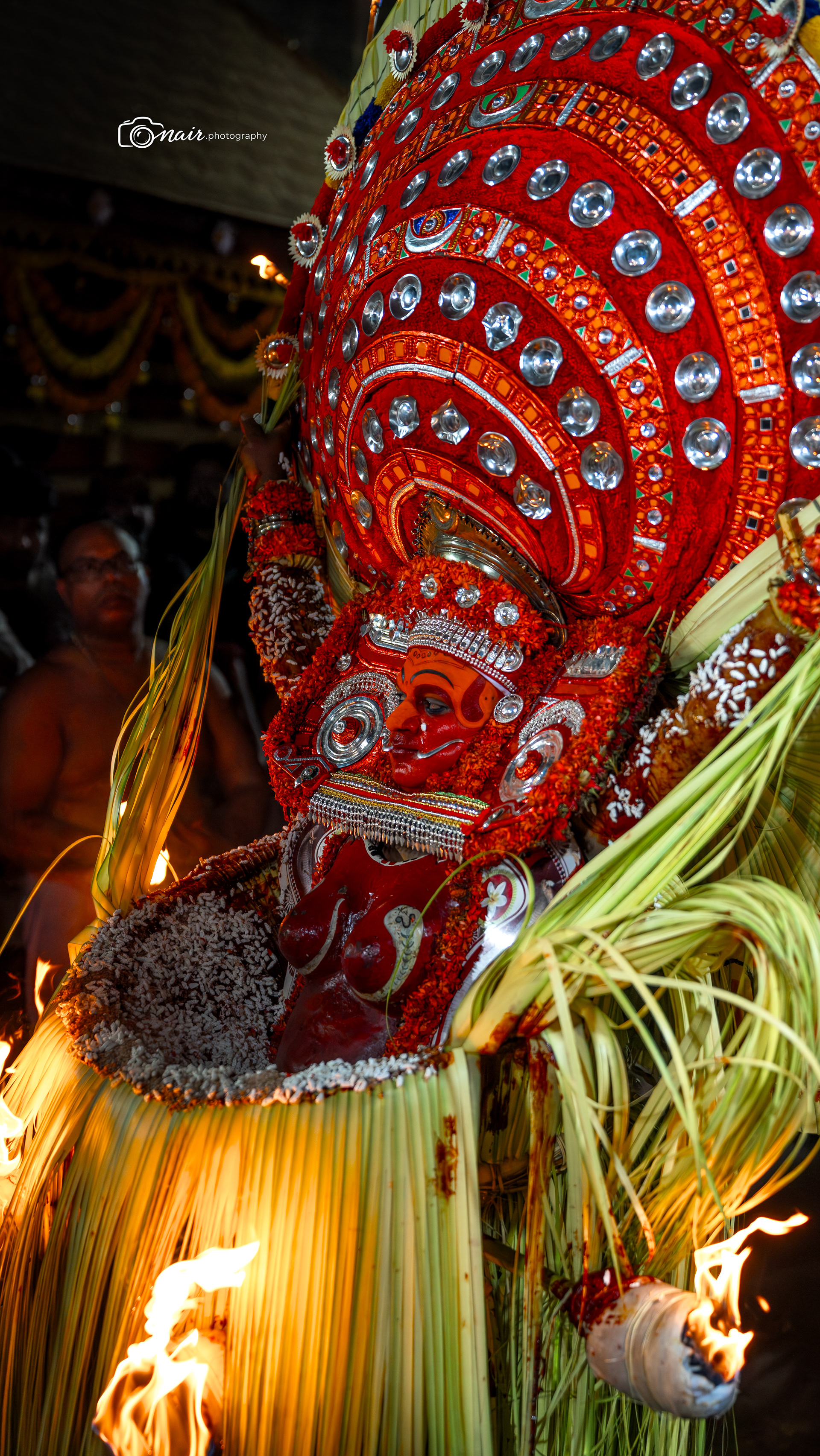
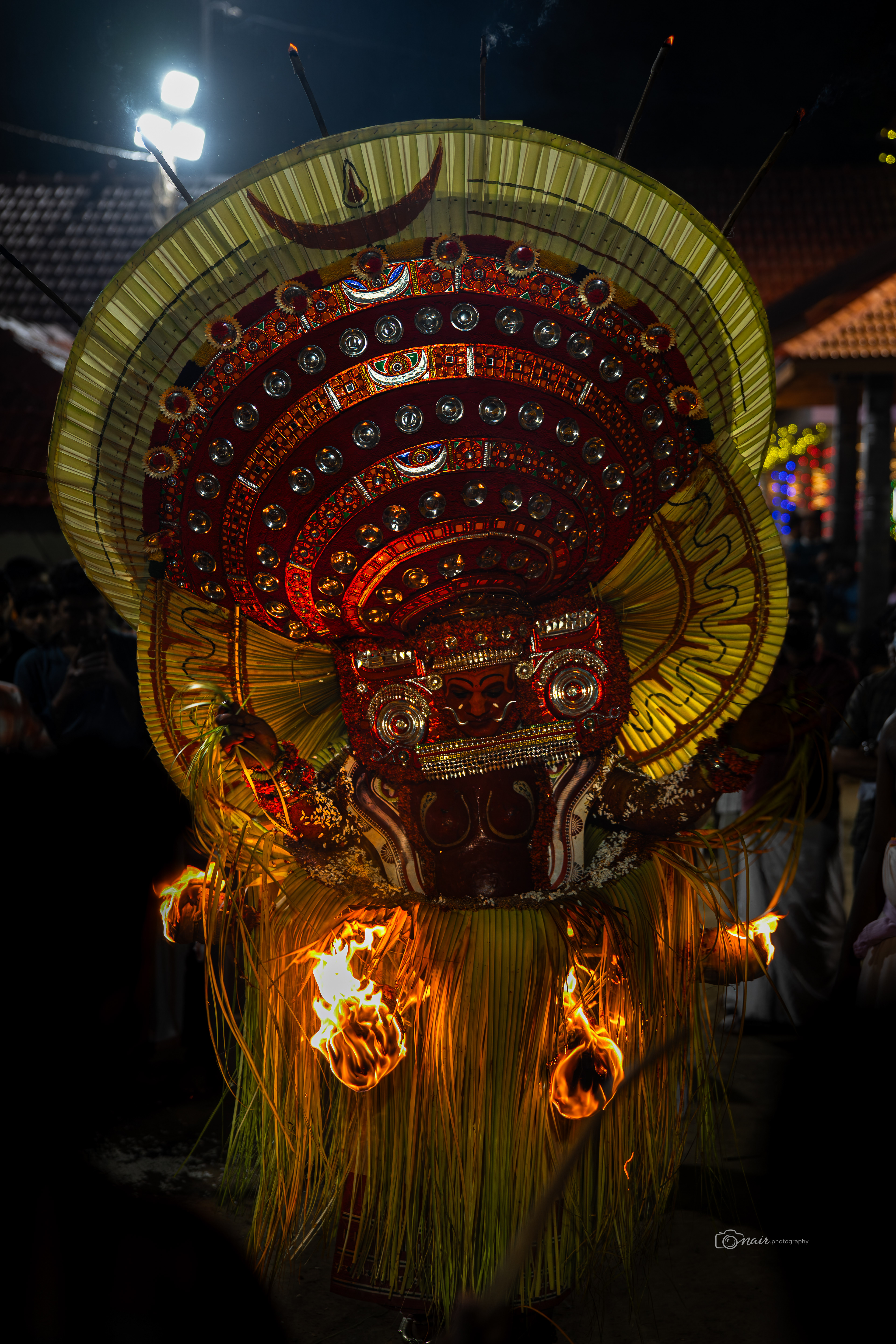
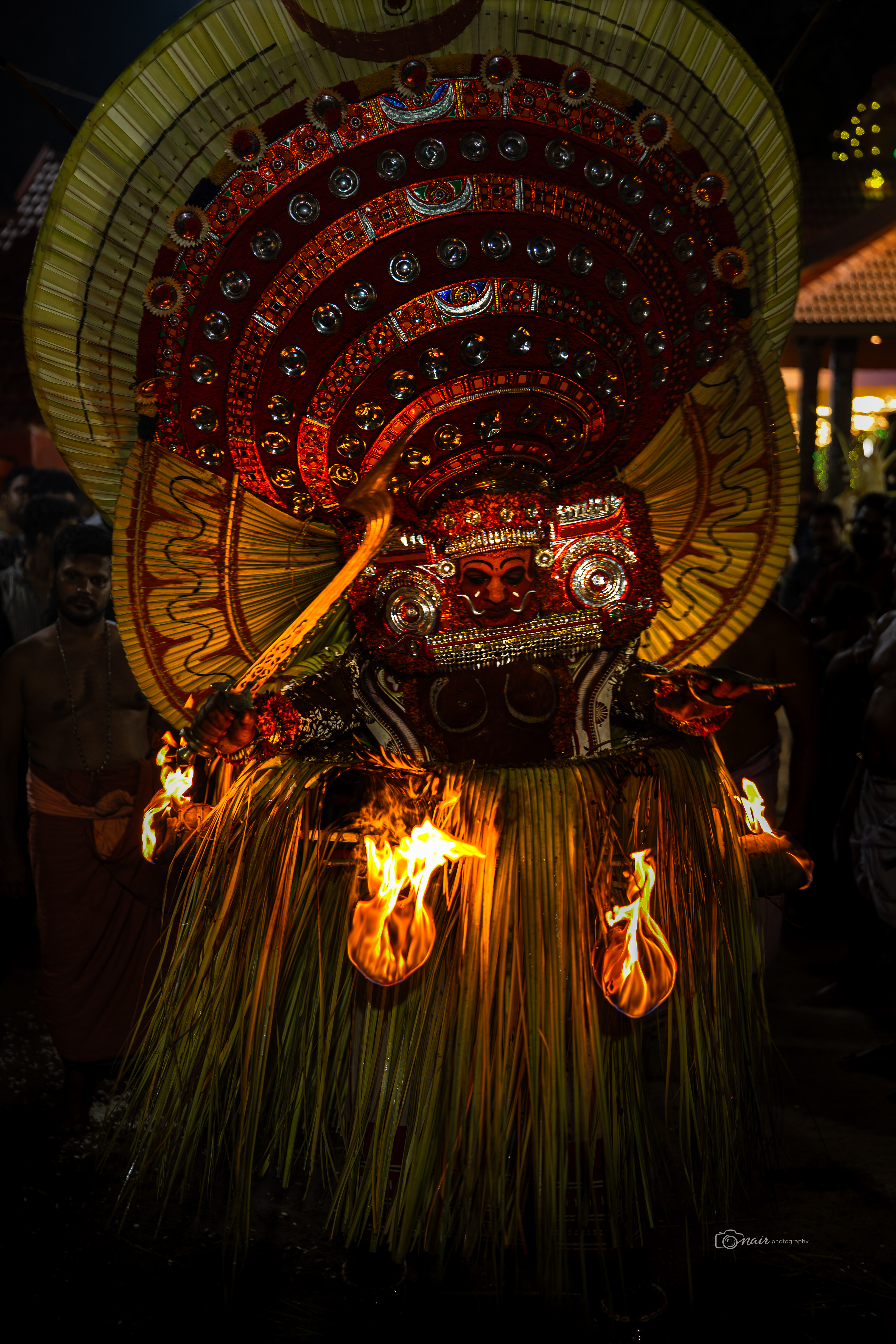
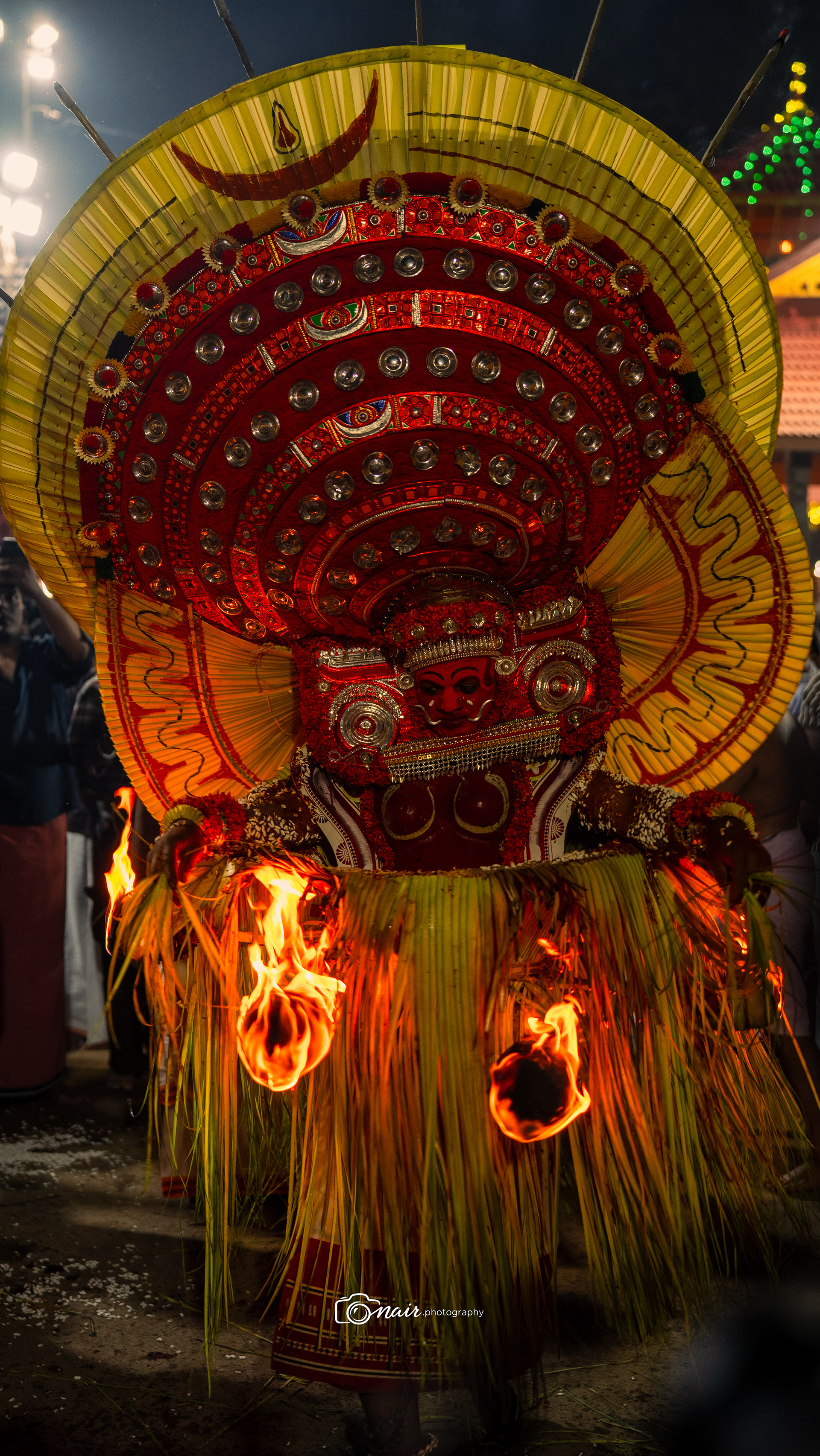
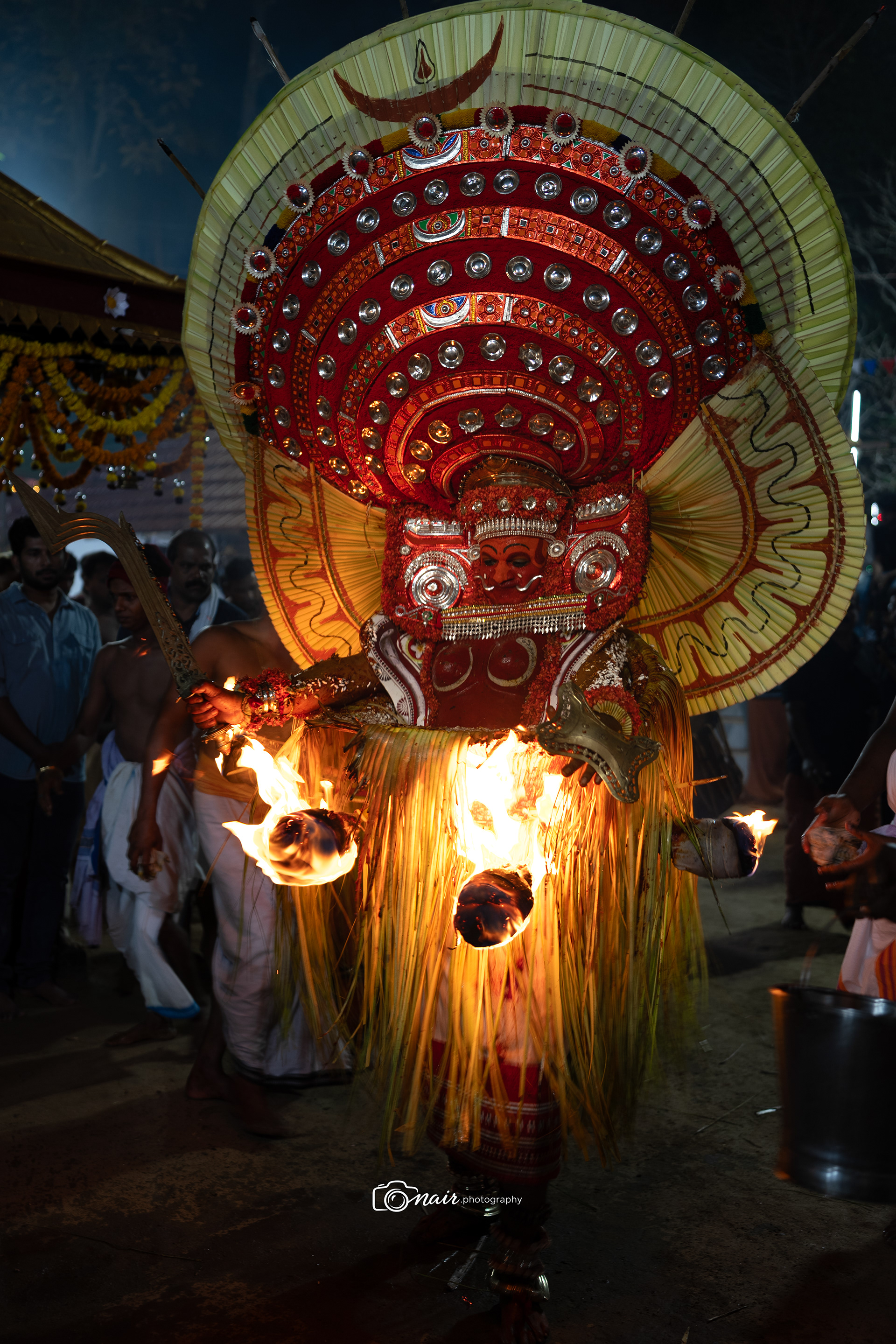
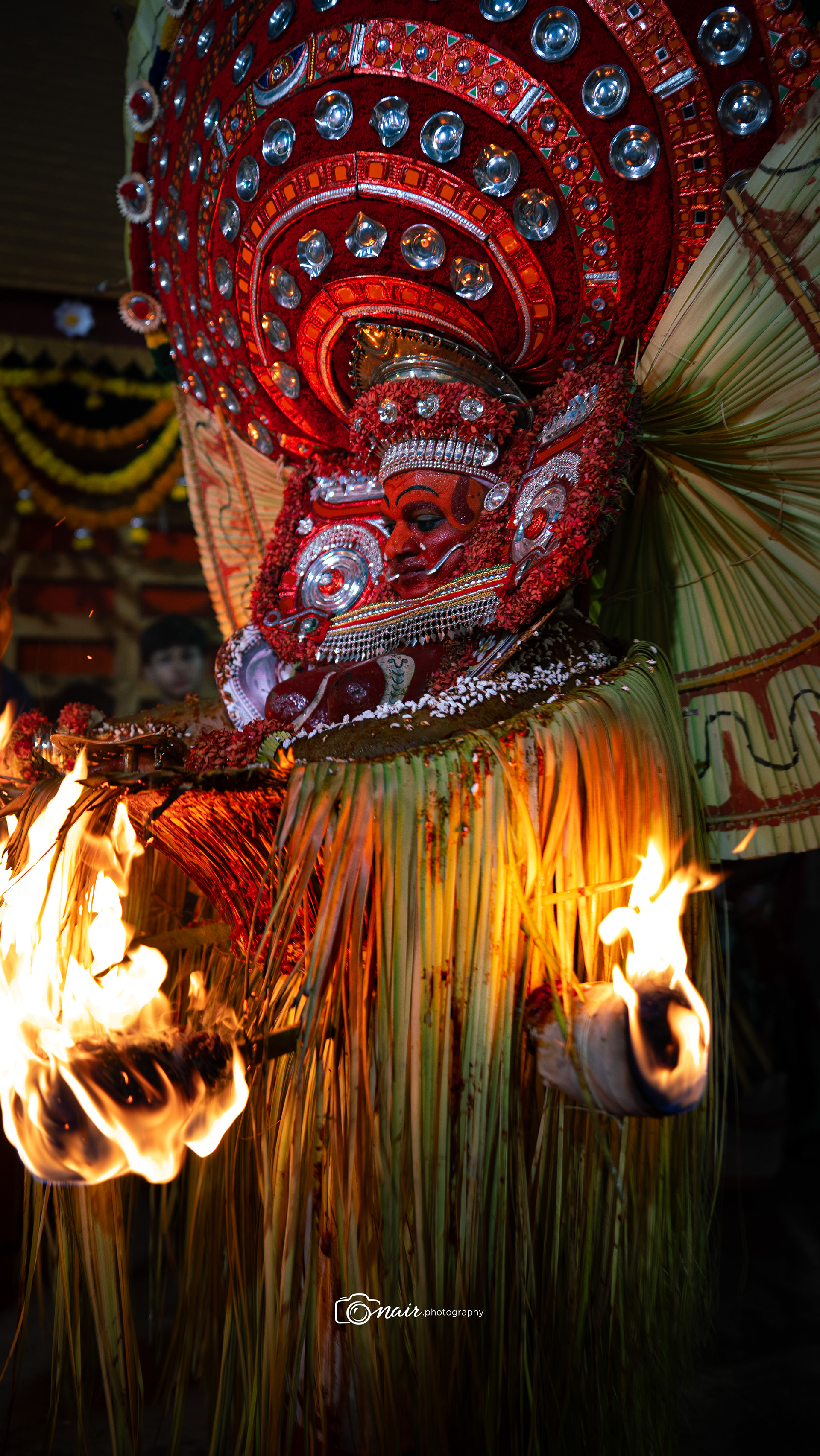
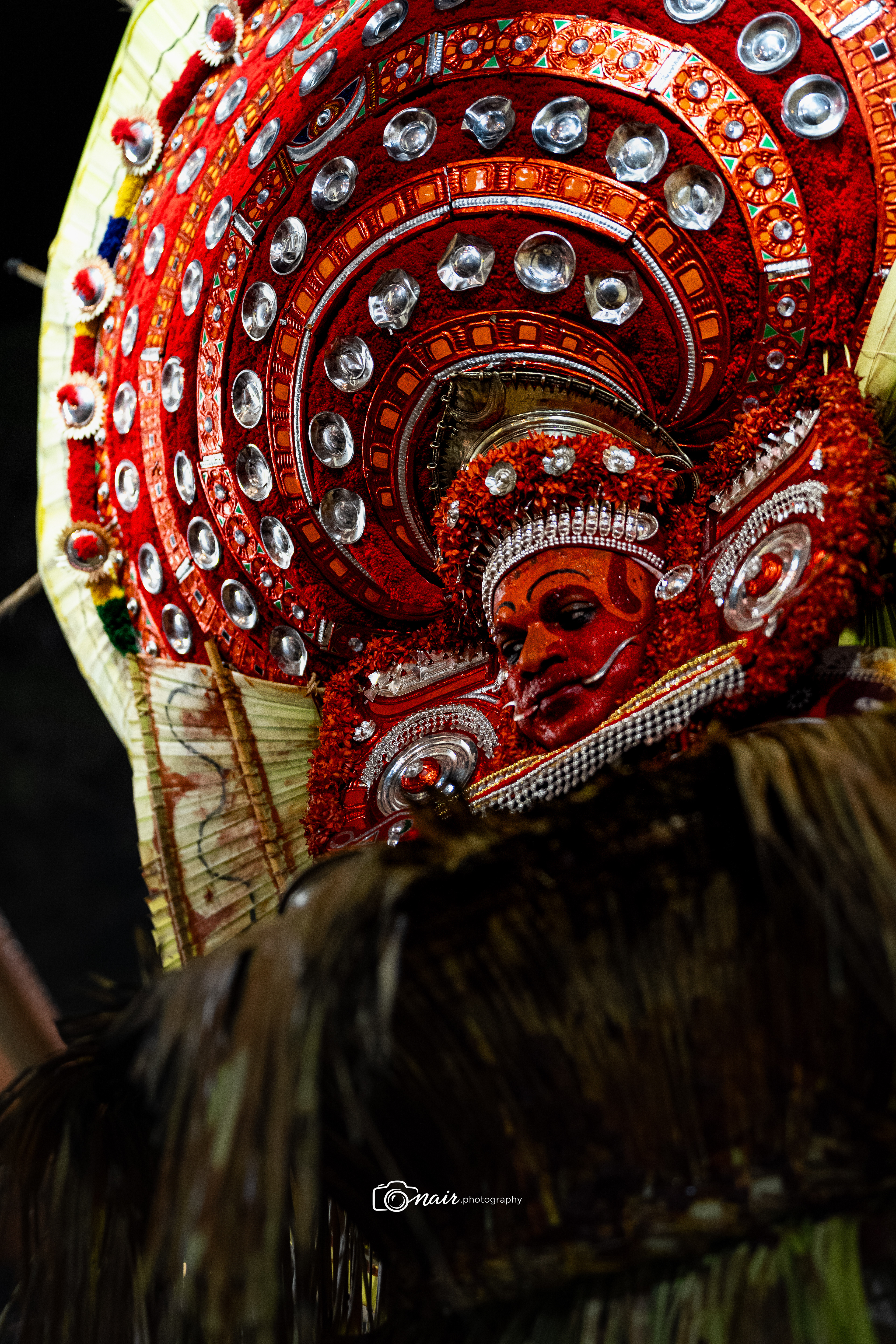
Theyyam is an ancient ritual art form practiced in northern Kerala, especially in the Kannur and Kasaragod regions, dating back over a thousand years. During the performance, the artist is believed to transform into a deity, delivering blessings, prophecies, and judgments to devotees. Known for its elaborate costumes, intense makeup, and fire rituals, Theyyam represents a rare tradition where social hierarchies dissolve and the performer is revered as divine.
Kelan Kulangara Bhagavathi Theyyam
It is said that Mother Goddess took this ferocious form to annihilate a group of people belong to the Kelan Kulangara family. It seems the virgin form of the Goddess was harmed and destroyed by the male members of the Kelankulangara family. The virgin then shed her kind and innocent form and took the ferocious form of Bhadra, Kali and Mahakali, Bhadrakali, and Parameshwari. The unimaginably ferocious form of Kelankulangara Bhagavathi emitted fire balls from her eyes and killed all the male members of the Kelan Kulangara family.
She then destroyed the entire house of Kelankulangara. After destruction, she made the tharavadu or house as her abode.
It is believed that she is a powerful mantra murti and thus blesses devotees with divine powers, wealth and magic.
She protects the orphan children.
Her form is depicted with fire and ferociousness. It is believed that when in anger she performs the ferocious tandava dance. The person performing this theyyam can atimes go uncontrollable.
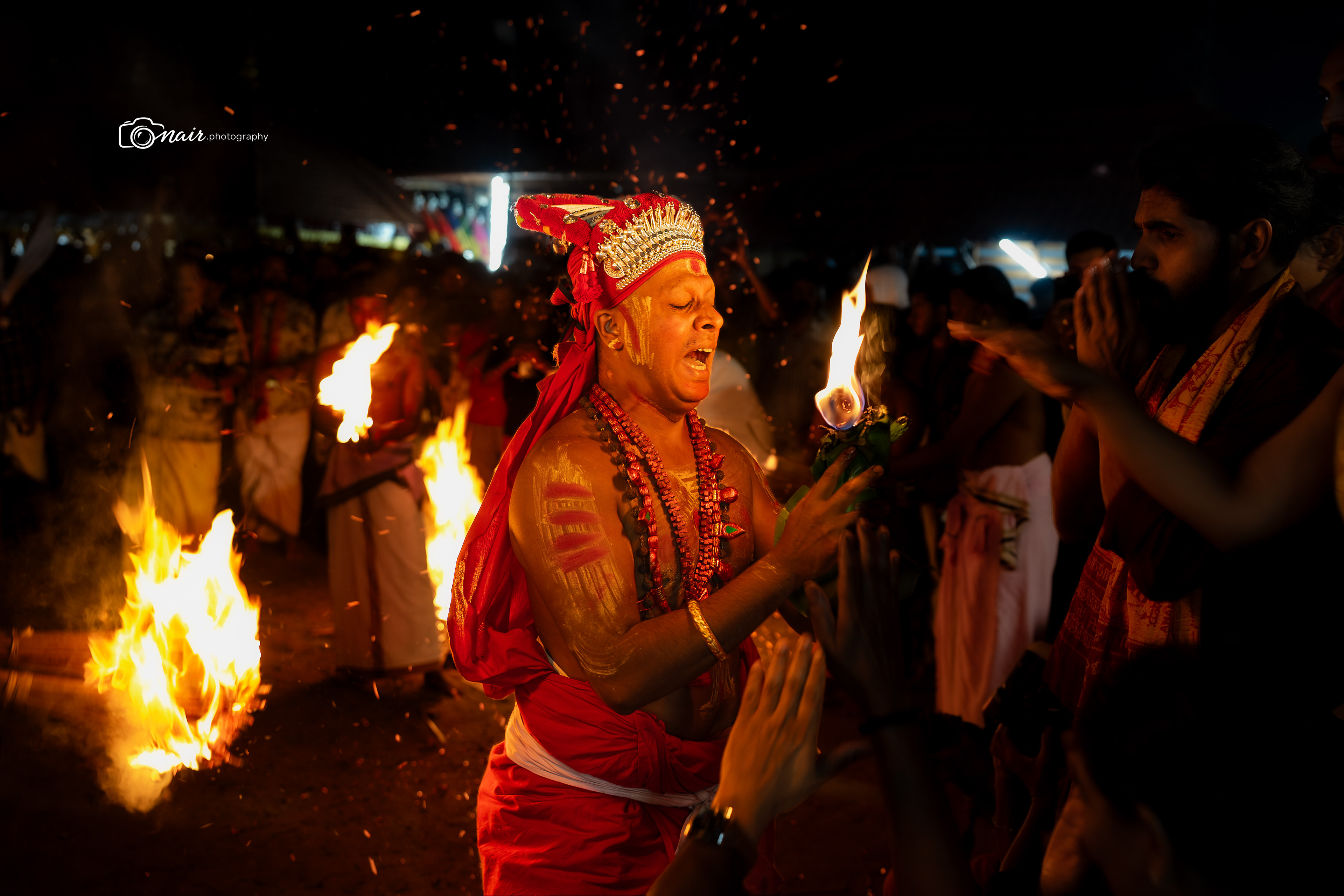
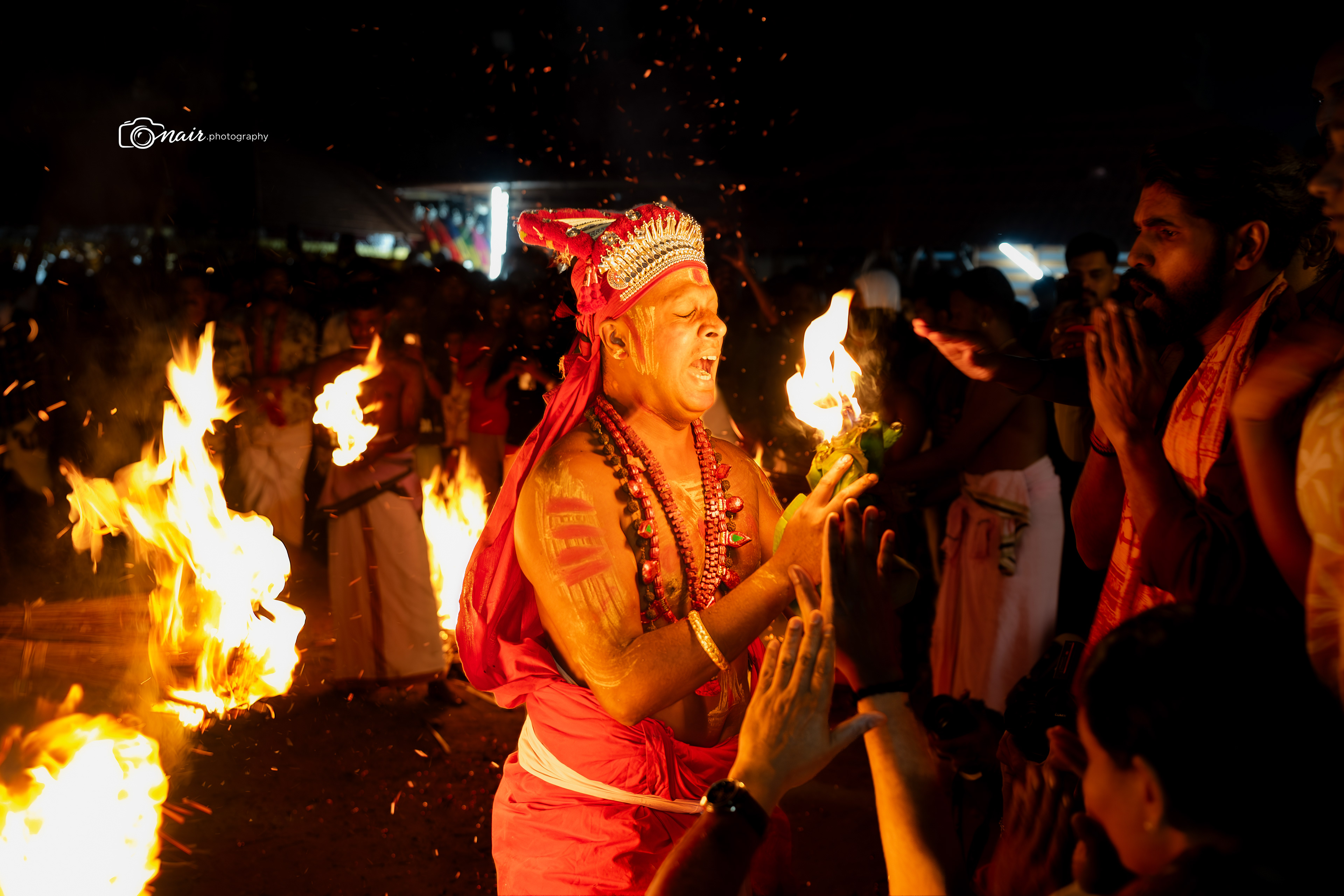
Puliyoor Kannan Theyyam is believed to represent a brave and righteous warrior closely associated with devotion to Lord Krishna. Folklore describes him as a protector of the oppressed who stood firmly against injustice and social cruelty, often challenging local authority when it became tyrannical. Betrayed and killed due to jealousy and fear of his influence, his spirit was later revered for its unwavering sense of justice. After death, he was elevated to divine status, manifesting as a powerful guardian deity. In the Theyyam performance, Puliyoor Kannan delivers judgments, warns wrongdoers, and blesses devotees, reinforcing the idea that moral truth ultimately prevails.
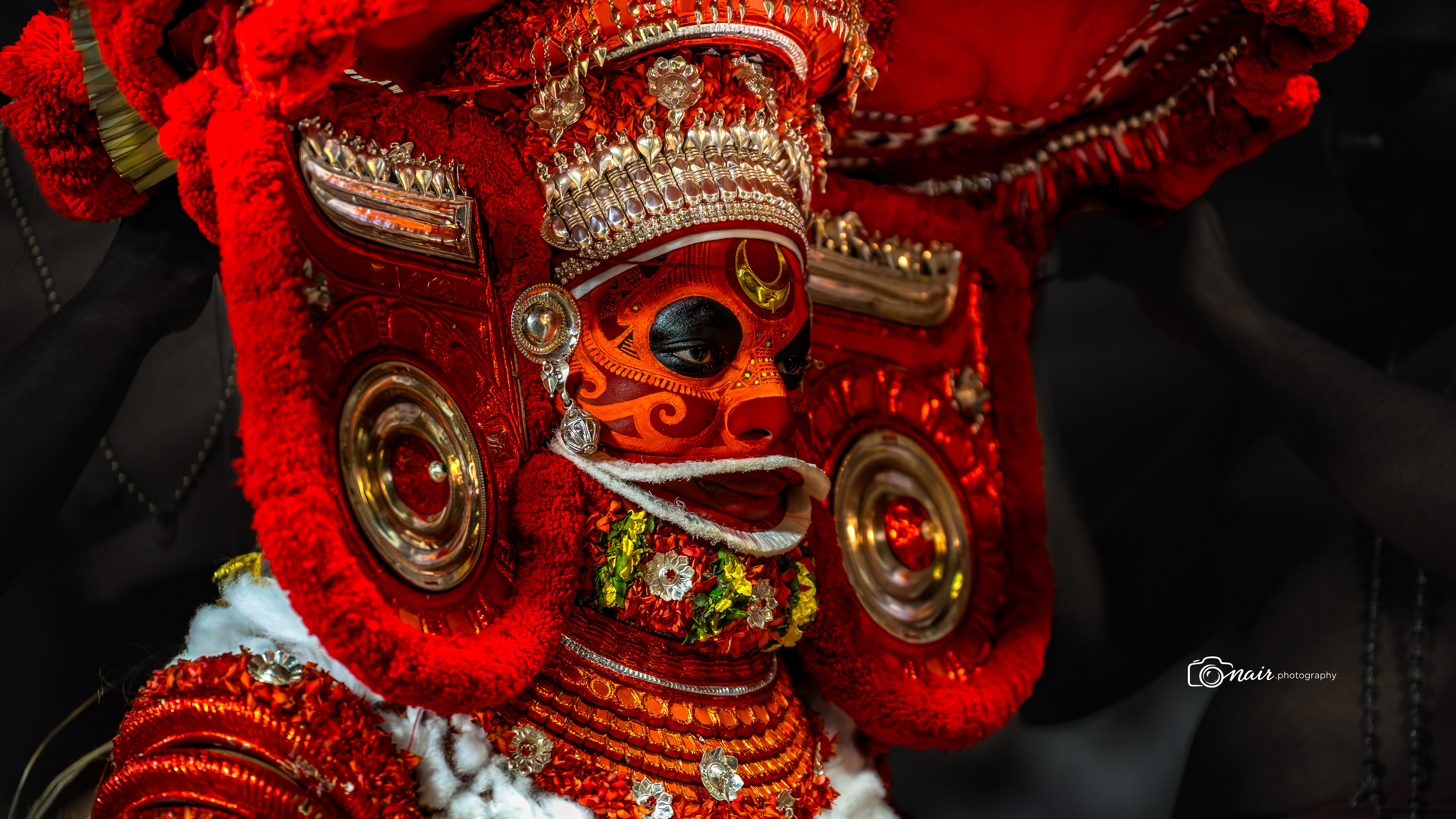
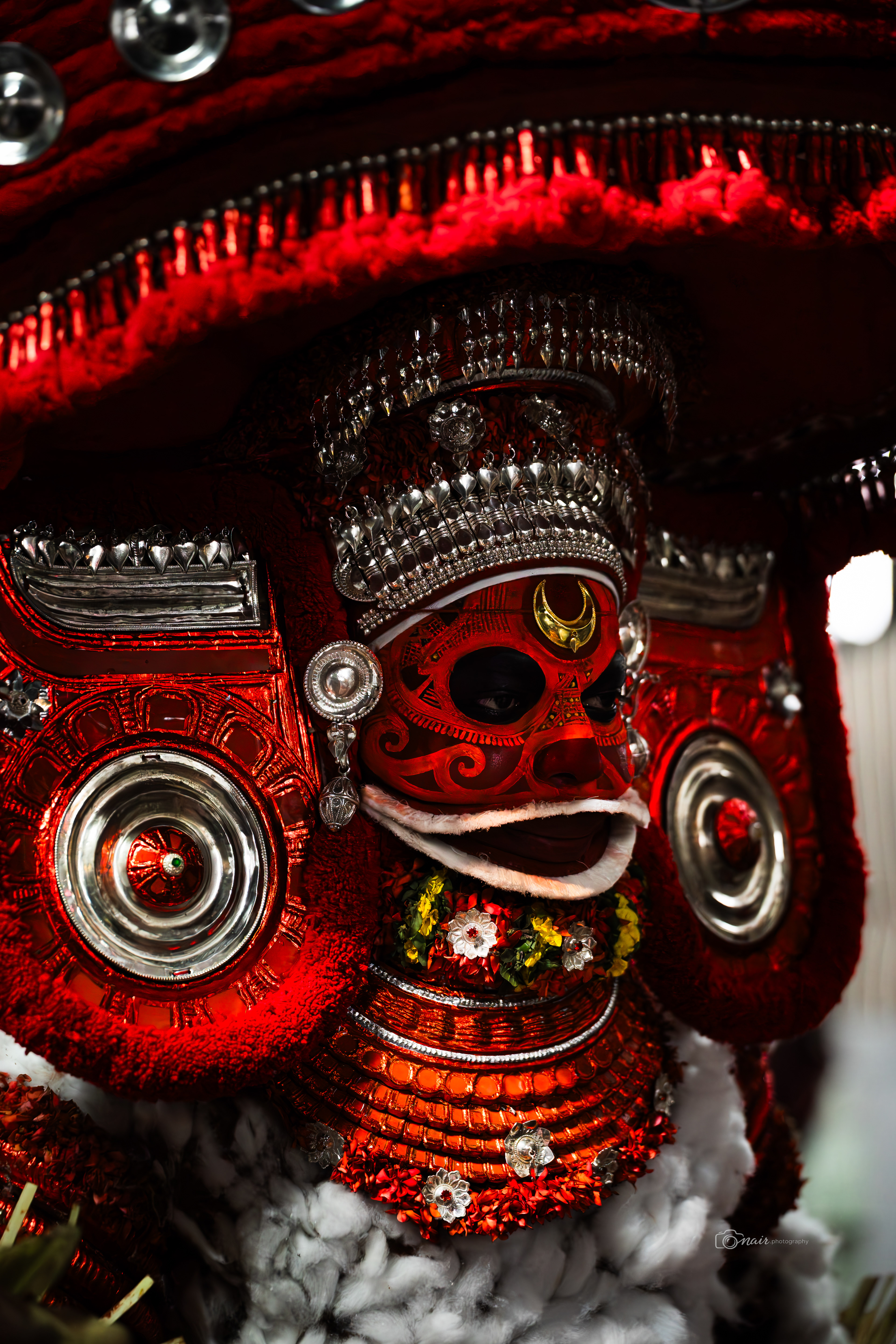
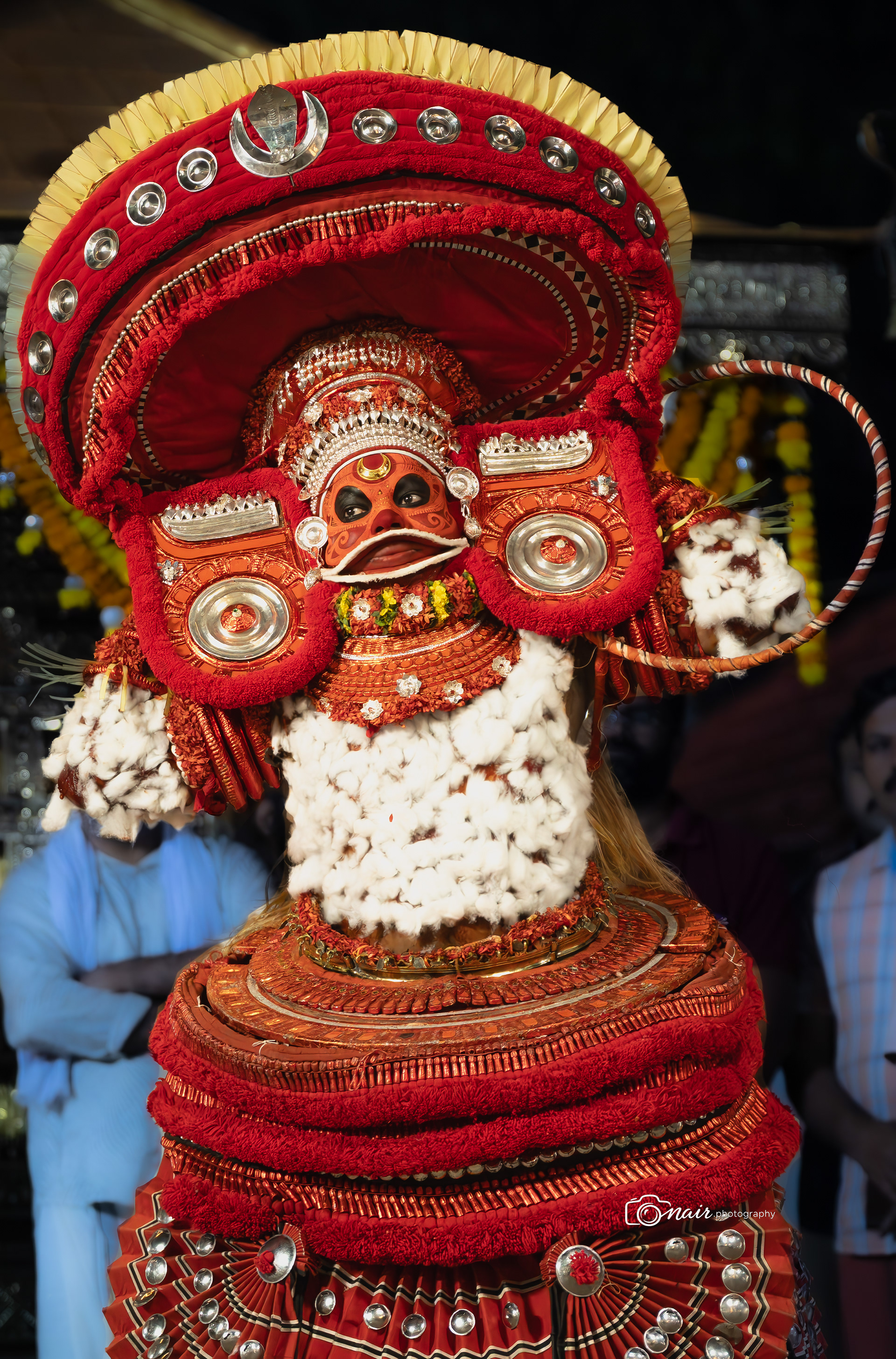
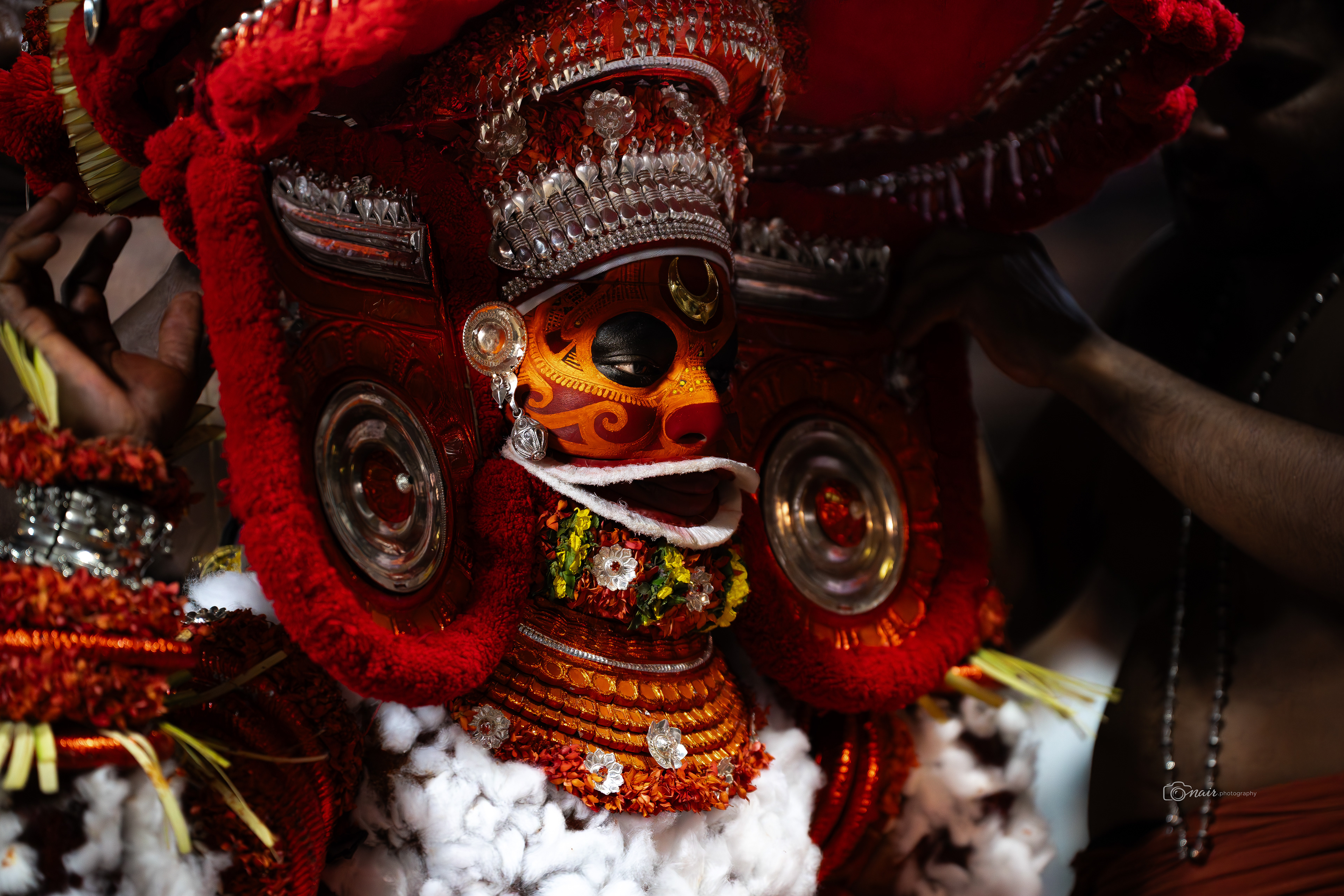
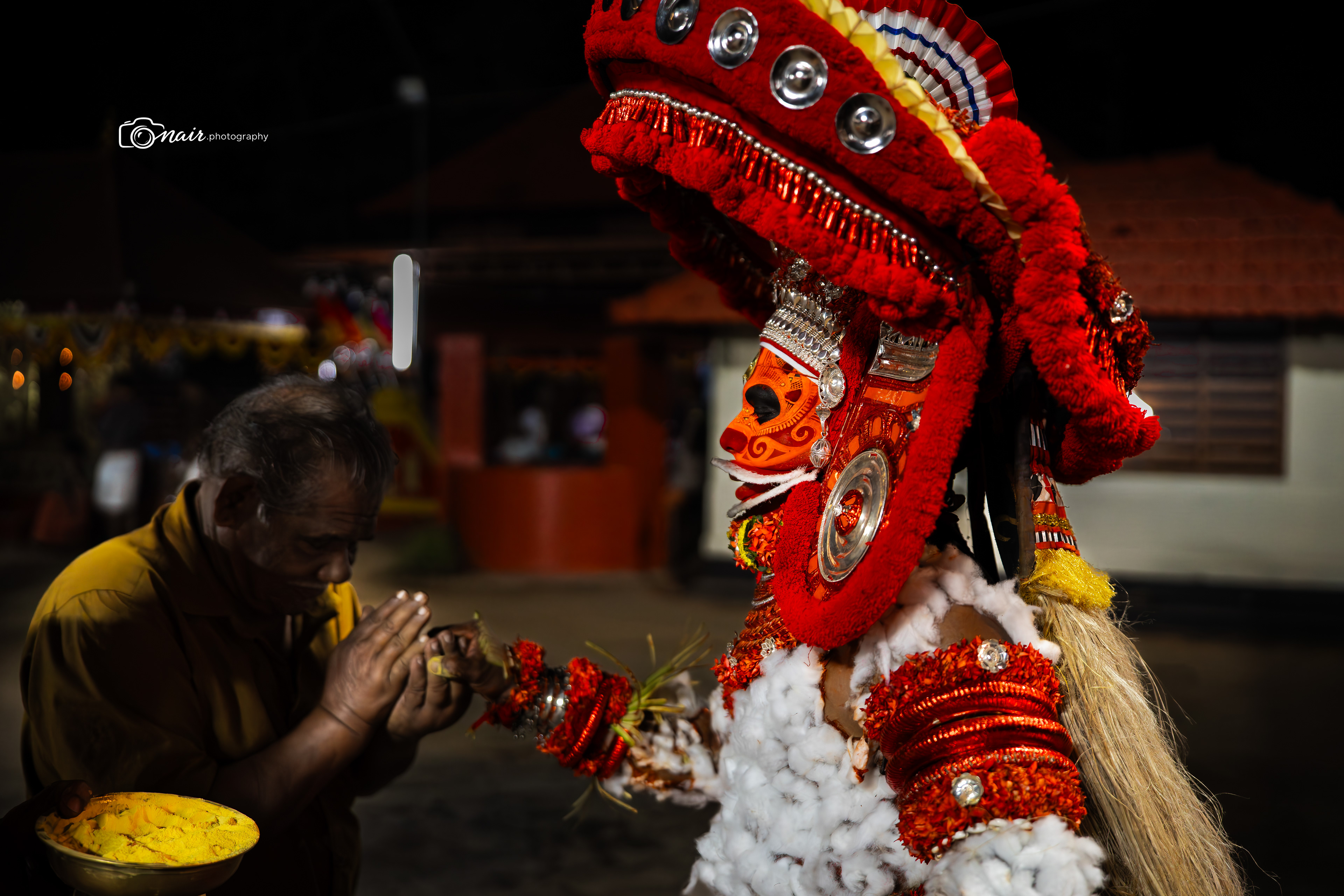
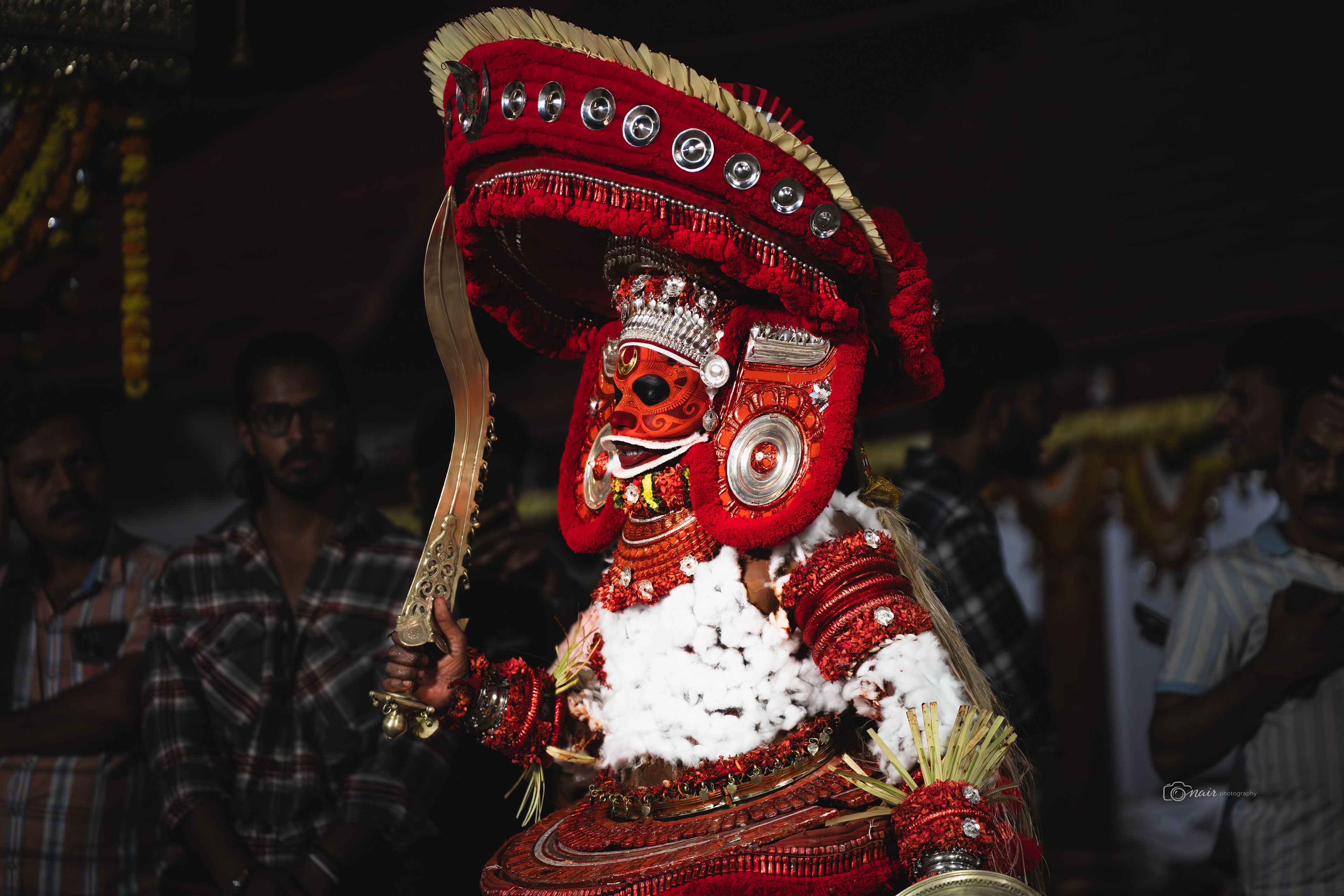
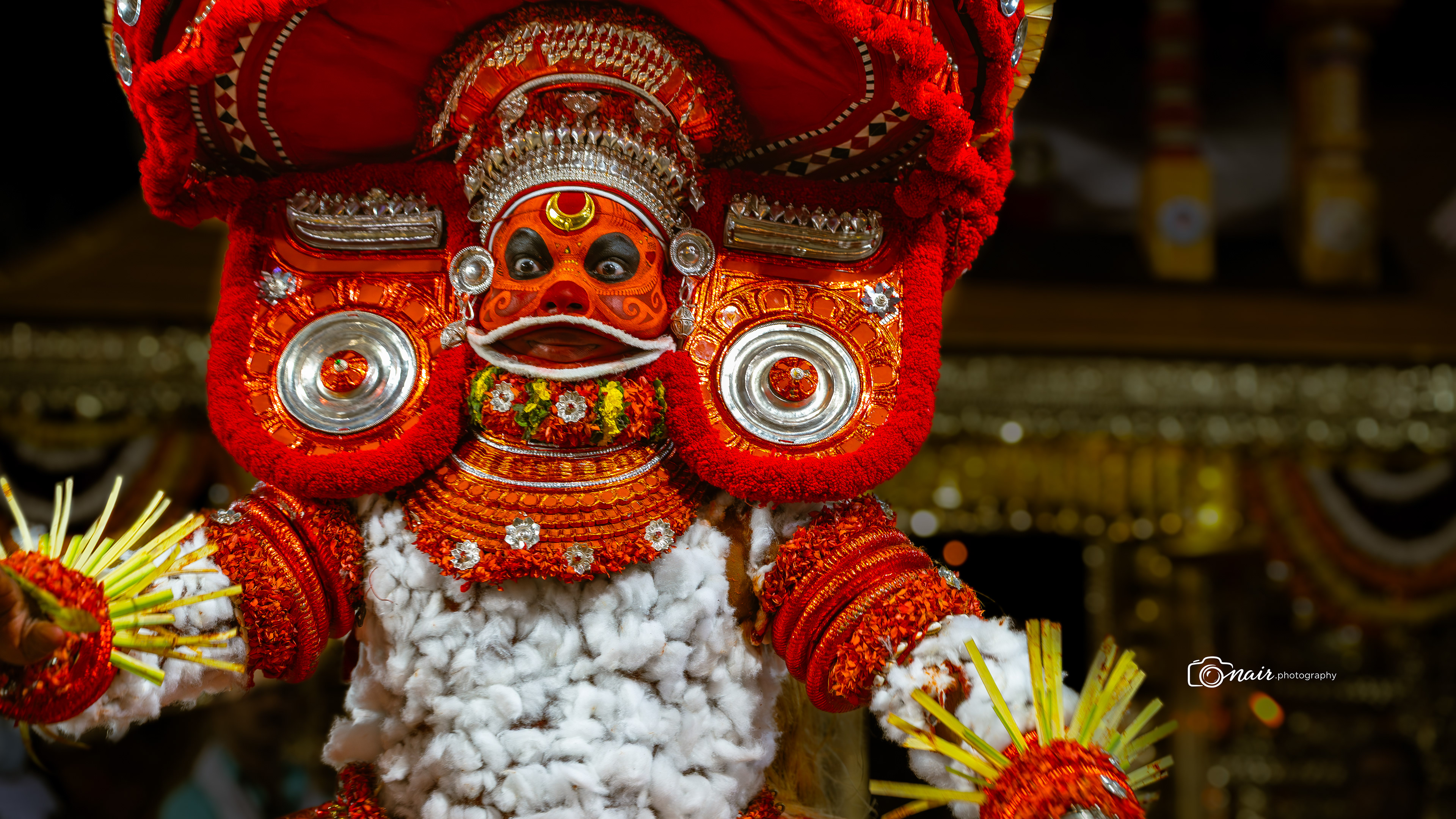
Puthiya Bhagavathi Theyyam is believed to have emerged during a time when a region was plagued by injustice, suffering, and moral decay. According to local folklore, oppression by powerful individuals and the neglect of dharma caused widespread distress among the common people. It was then that Bhagavathi manifested in a new form hence the name Puthiya to restore balance and protect the innocent.
The story tells of divine signs and unexplained events that followed her appearance: wrongdoers met sudden punishment, illnesses vanished, and fear gave way to order. Recognizing her power, the community consecrated her as their guardian deity, seeking her protection against tyranny, disease, and social wrongdoing. Unlike older forms of Bhagavathi, Puthiya Bhagavathi is seen as a response to a specific historical moment of crisis, embodying swift justice and fierce intervention.
In the Theyyam performance, the deity appears with intense energy, commanding movements, and ritual authority. Devotees approach her to present grievances, believing that she listens, judges, and delivers truth without bias. Puthiya Bhagavathi Theyyam thus represents the living belief that divine justice will arise whenever human systems fail, reinforcing faith in moral order and collective protection.