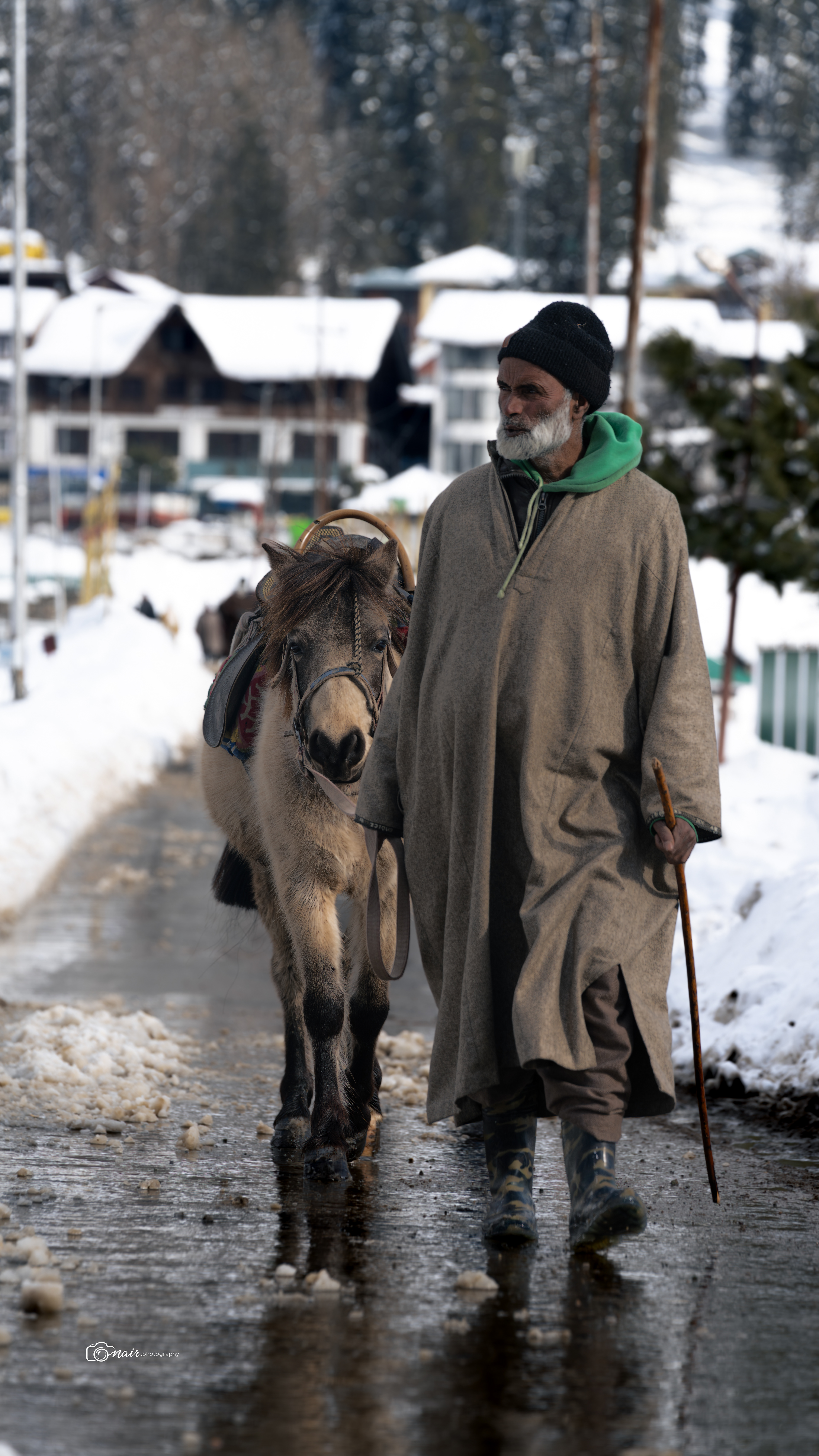
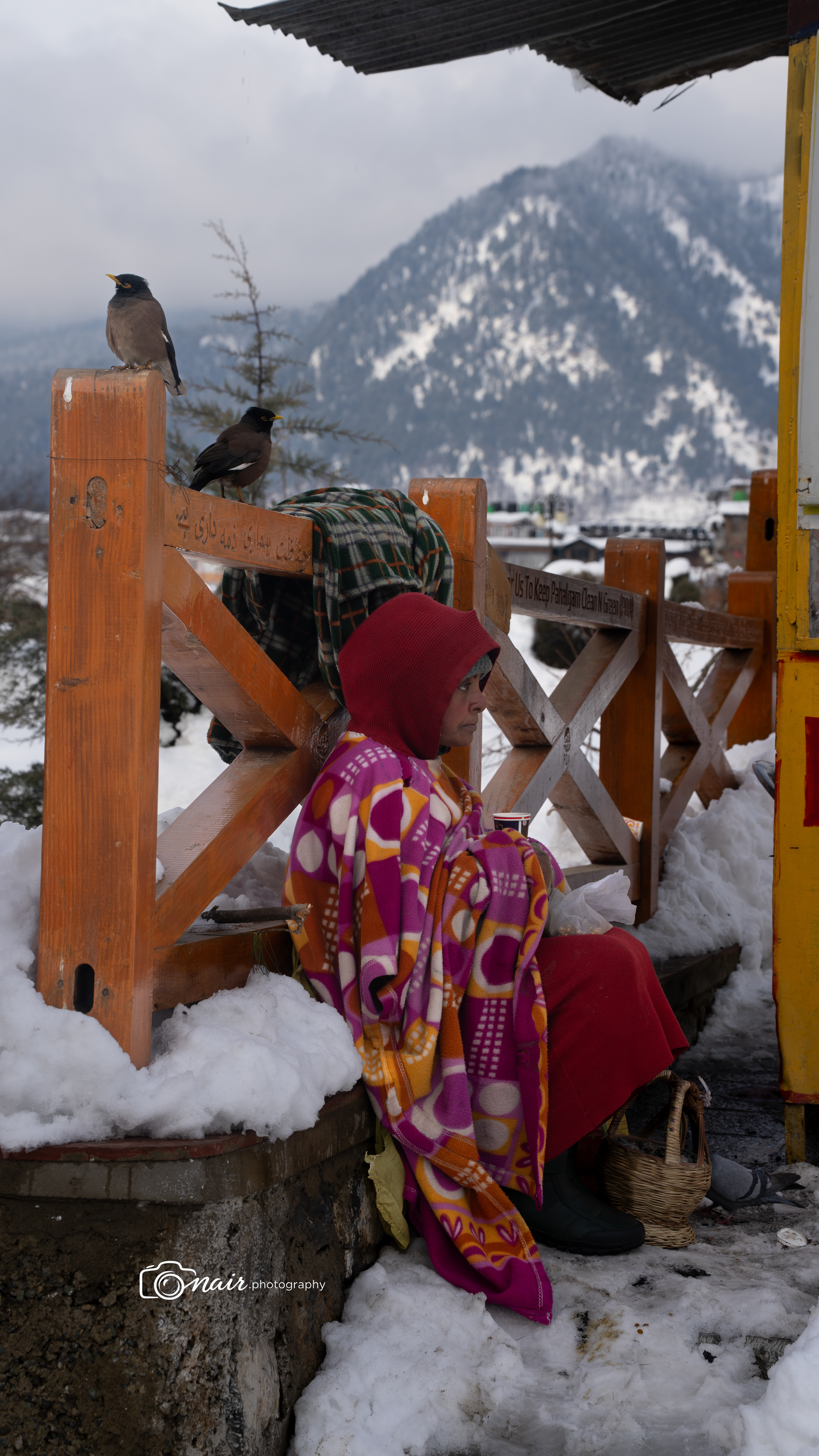
Kashmir’s history begins with a legend: a vast lake drained by a sage to reveal a hidden valley. For centuries, it served as a global crossroads where Buddhist, Hindu, and Sufi scholars exchanged ideas, creating a unique culture of coexistence known as Kashmiriyat.
From the ancient foundation of its capital by Emperor Ashoka to the lavish gardens built by Mughal emperors, the land has always been a sanctuary for those seeking beauty. Its heritage is woven into every hand-knotted carpet and carved wooden ceiling, reflecting a mix of Persian and local artistry. Today, visiting is like stepping into a living museum where the past isn't just remembered; it is felt in the daily rhythm of life.
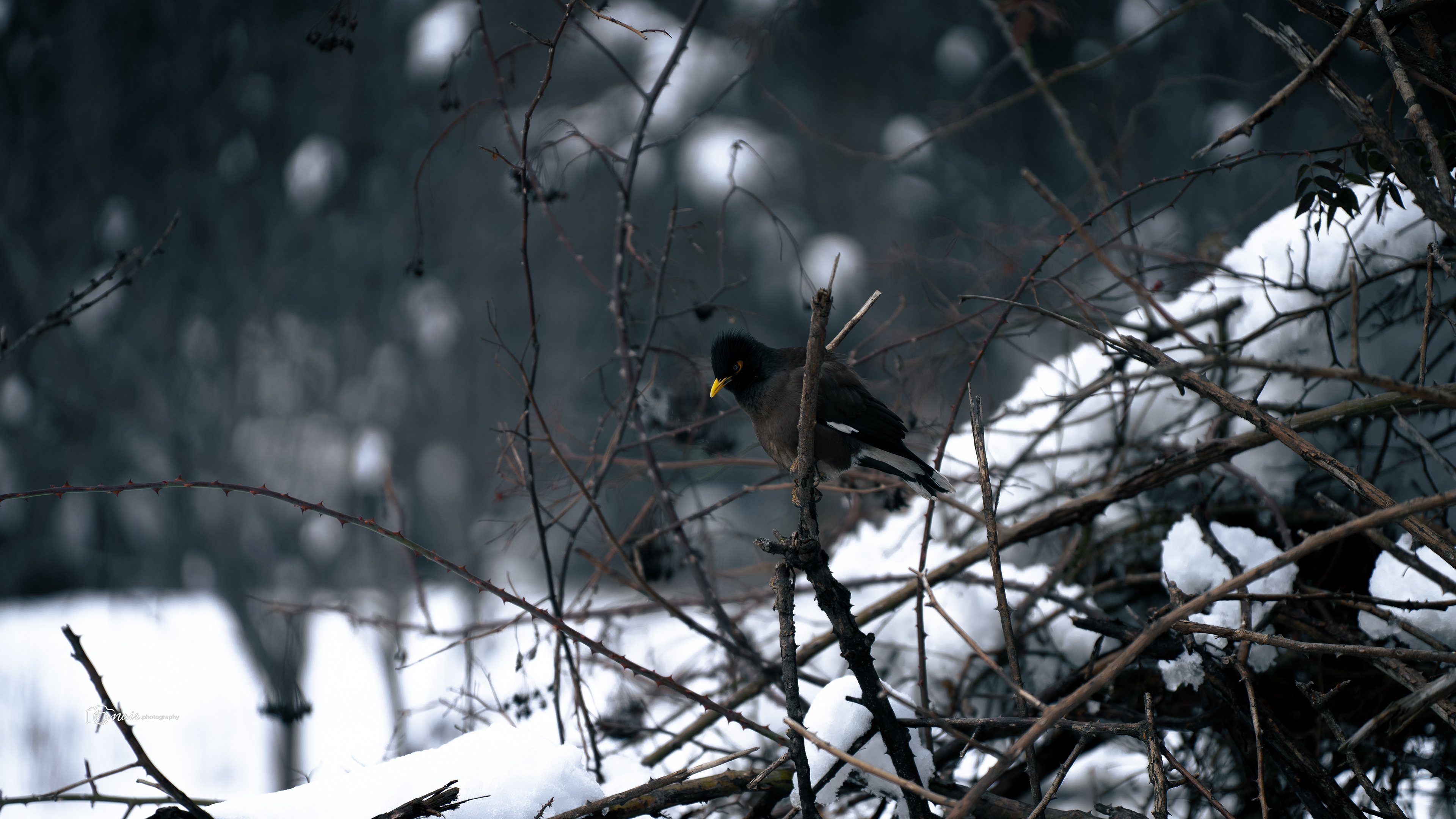
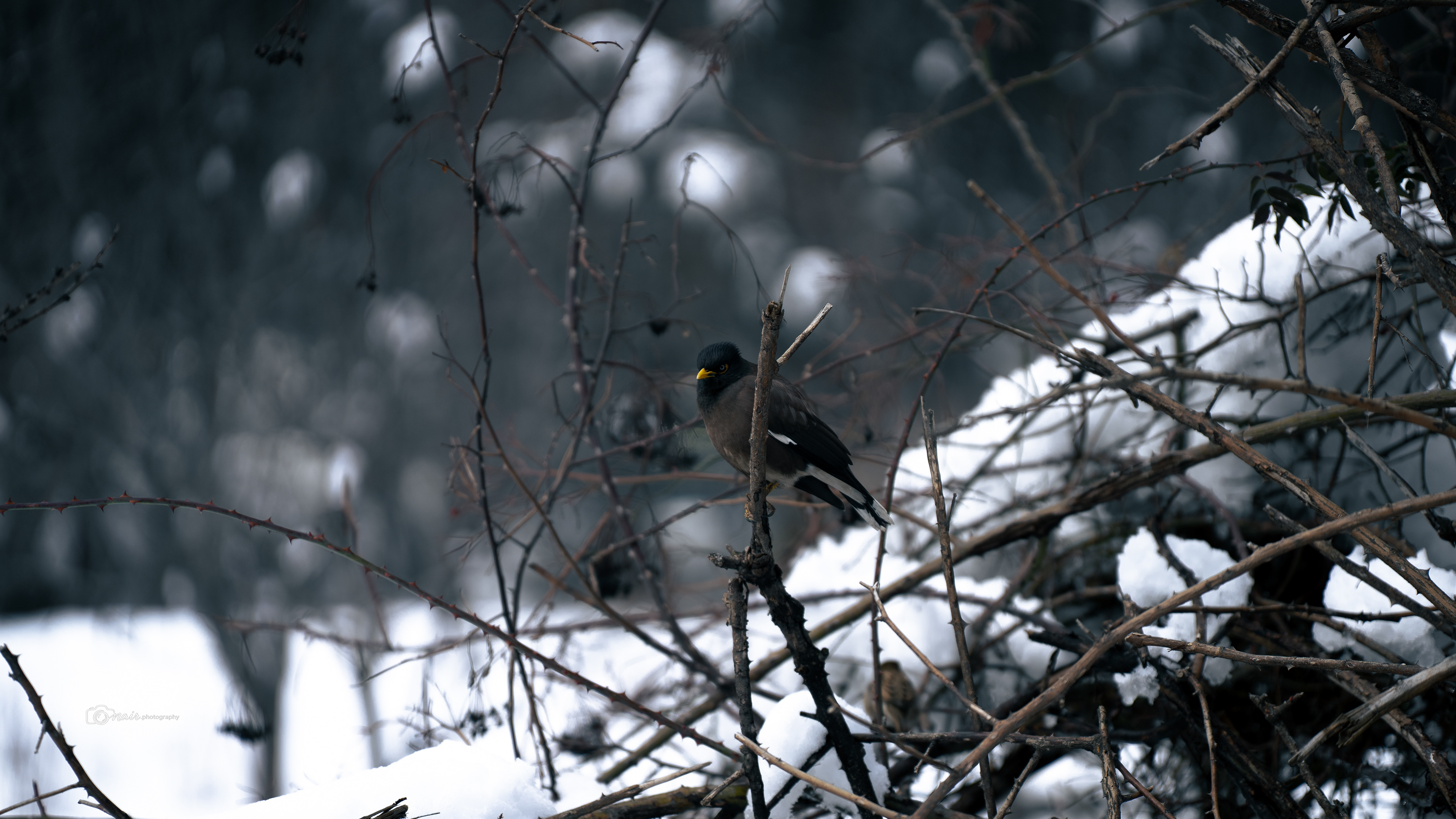
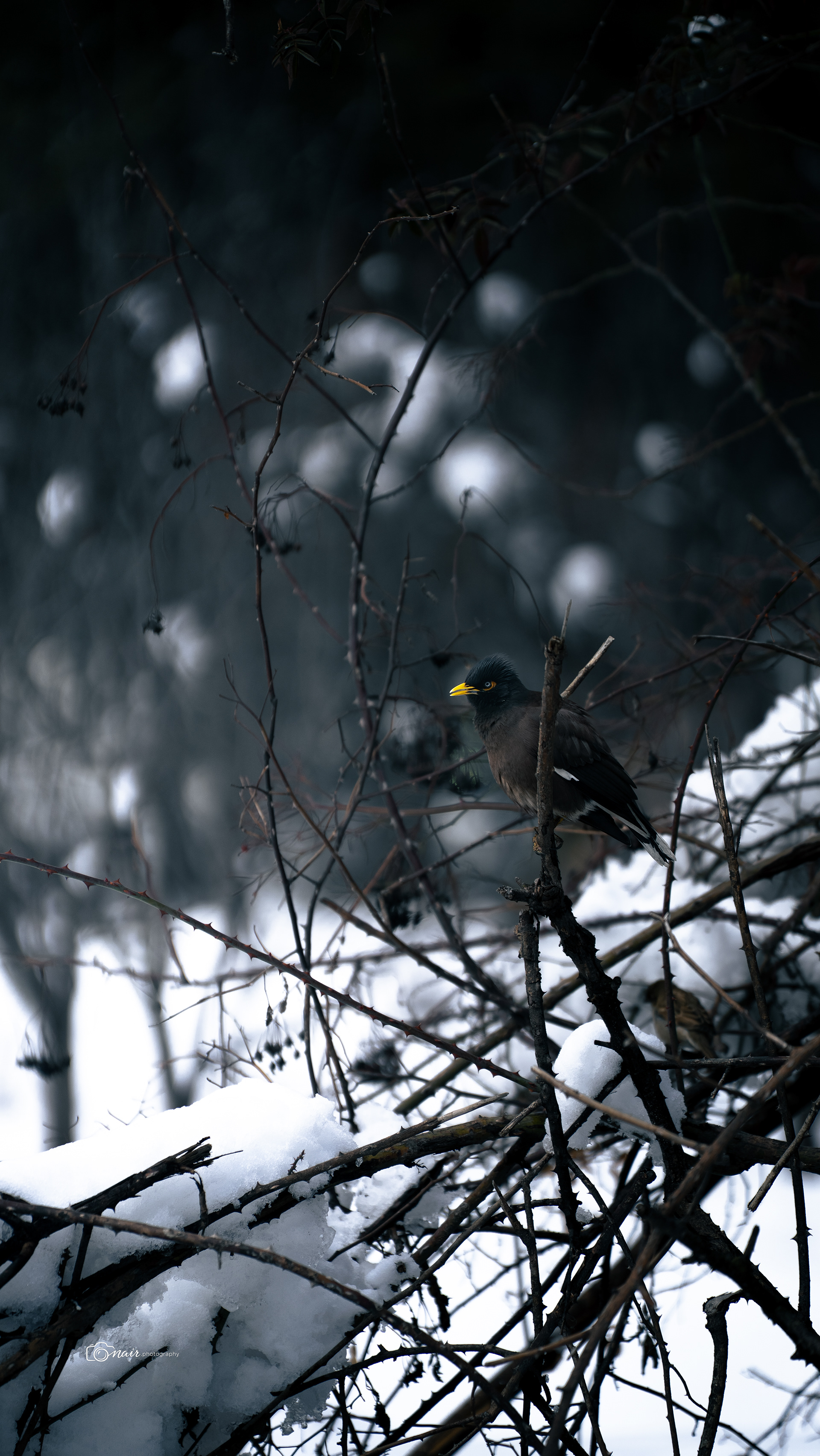
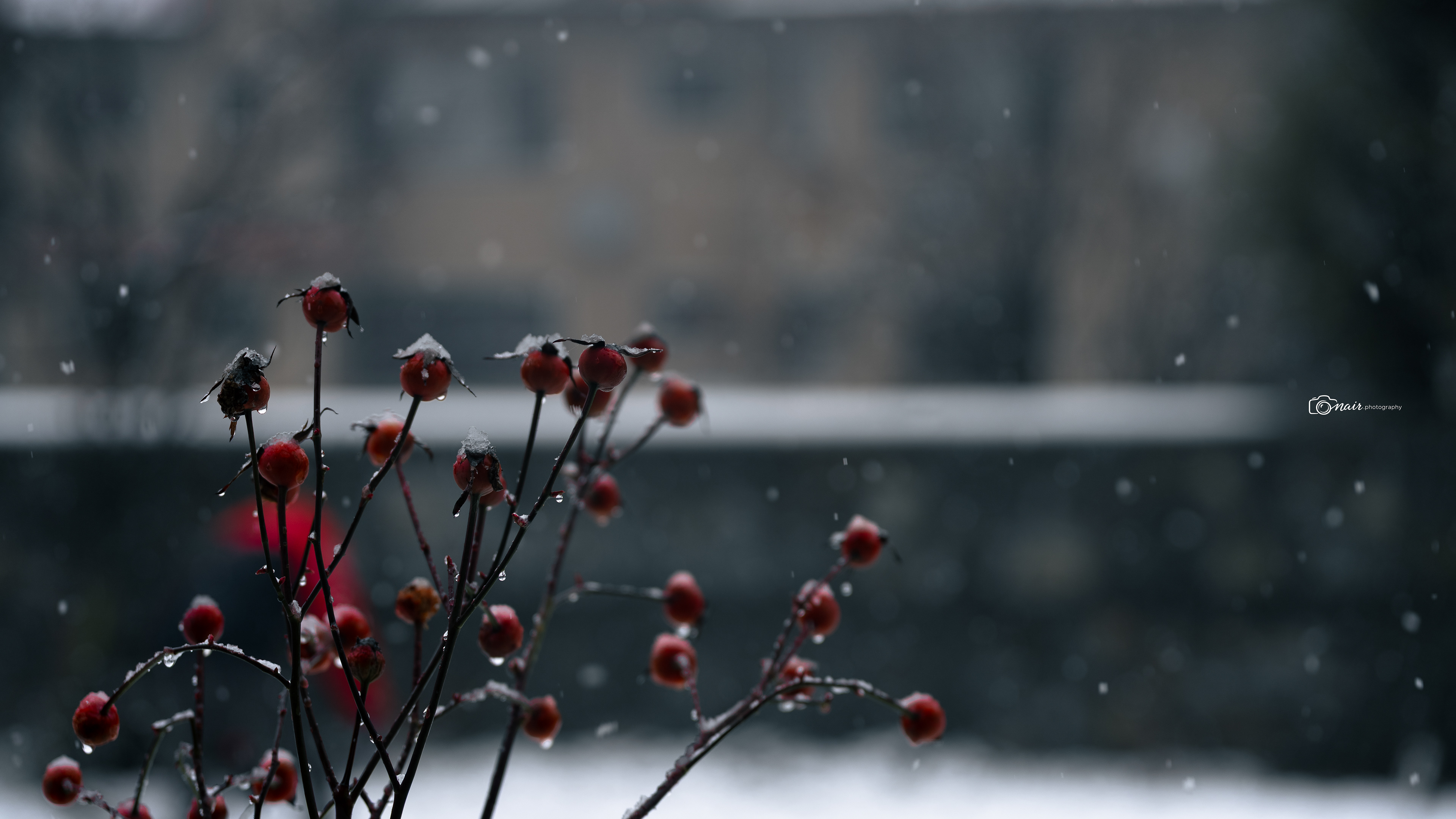
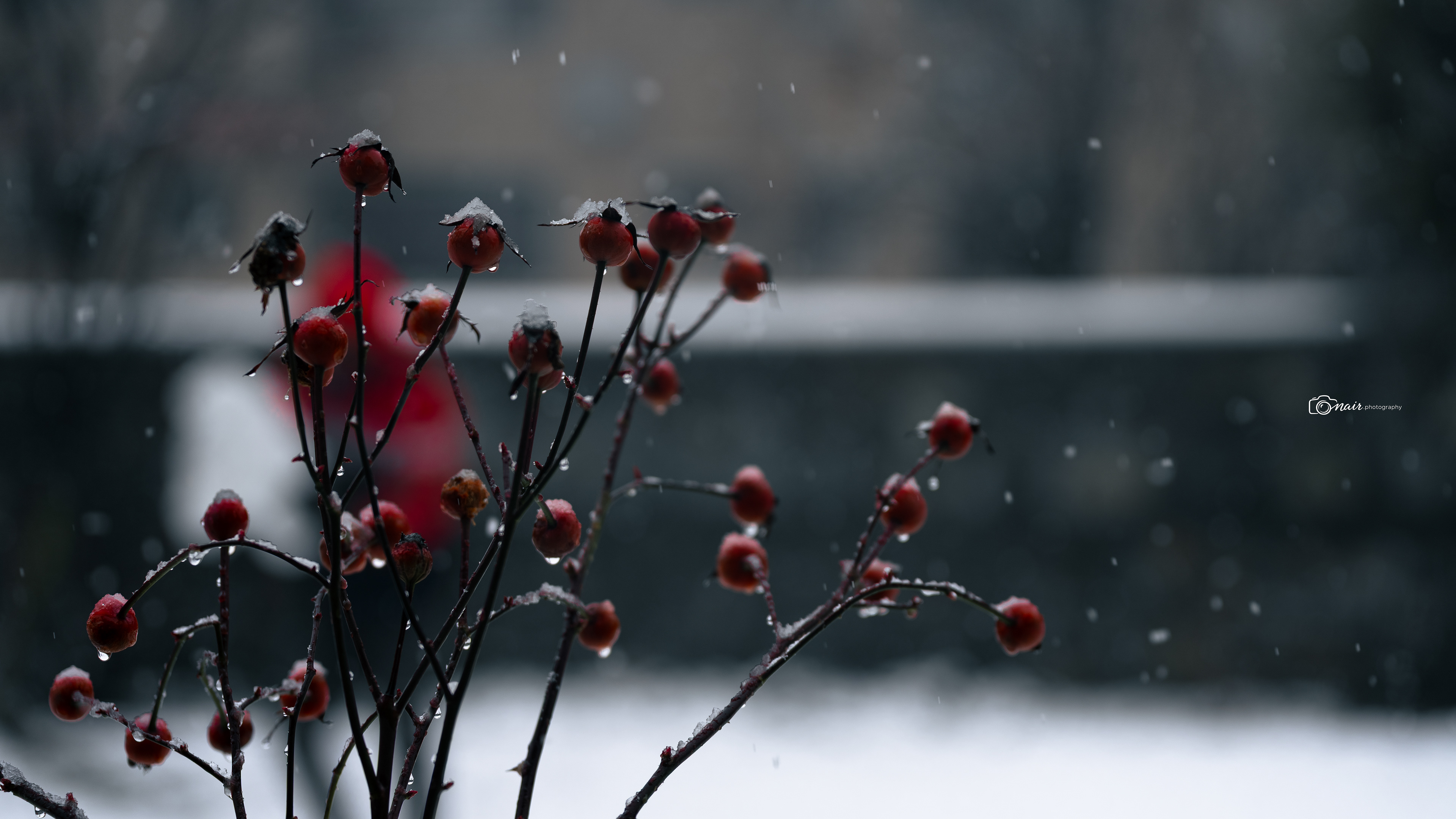
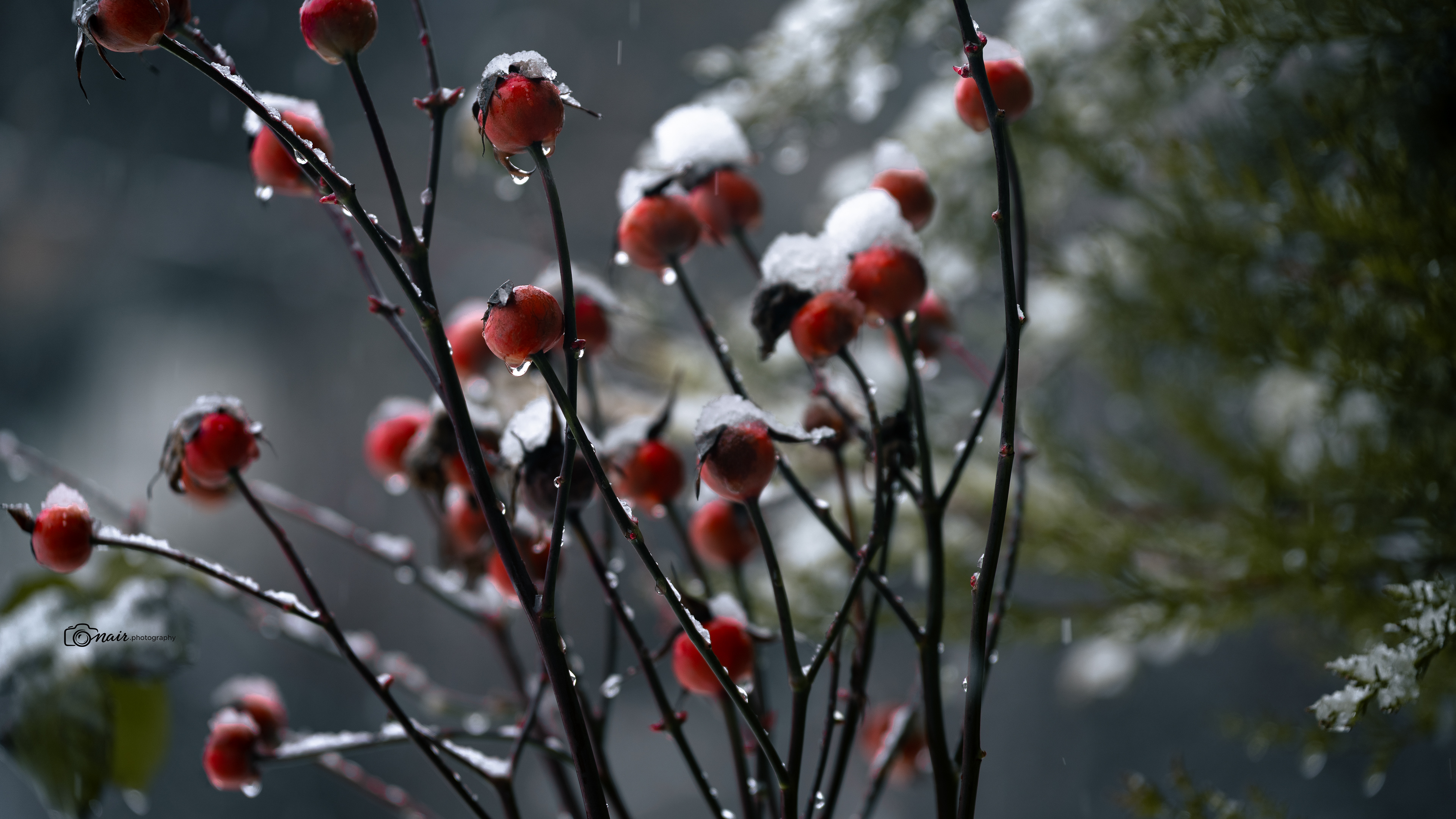
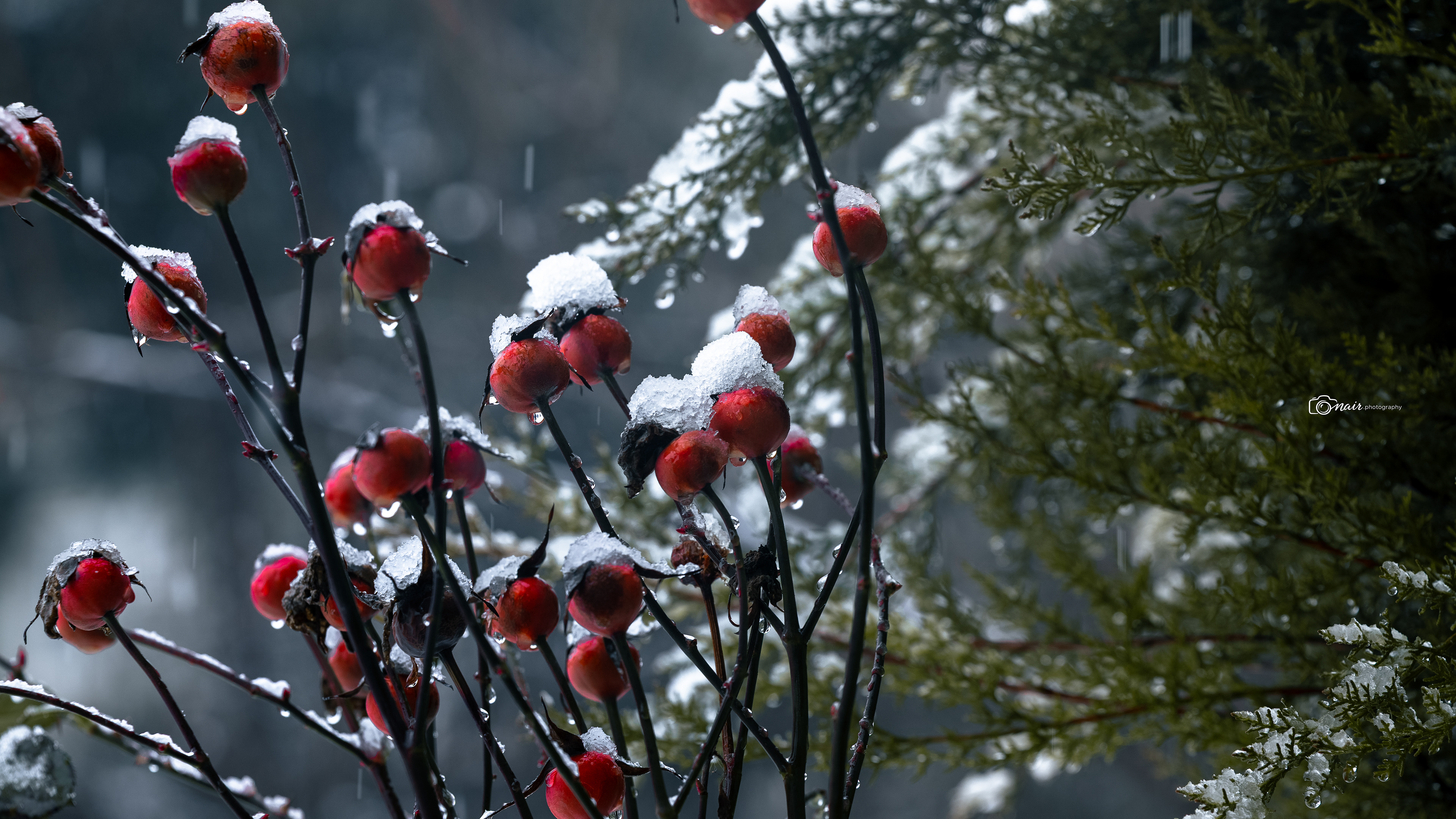
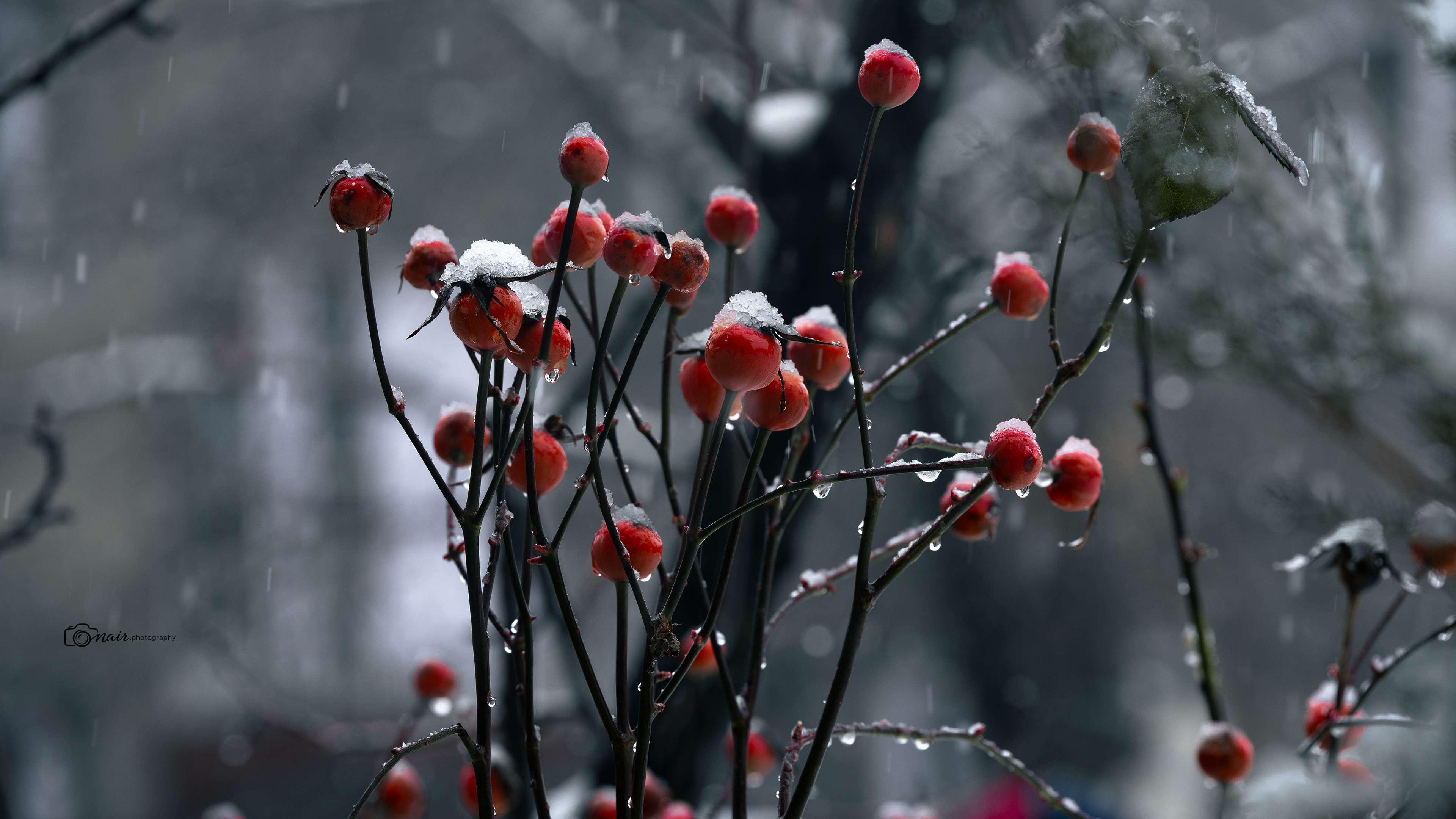
In the high-altitude valleys of Kashmir, wild roses like Rosa webbiana and Rosa canina flourish, producing vibrant red and orange rose hips as the petals fall in autumn.
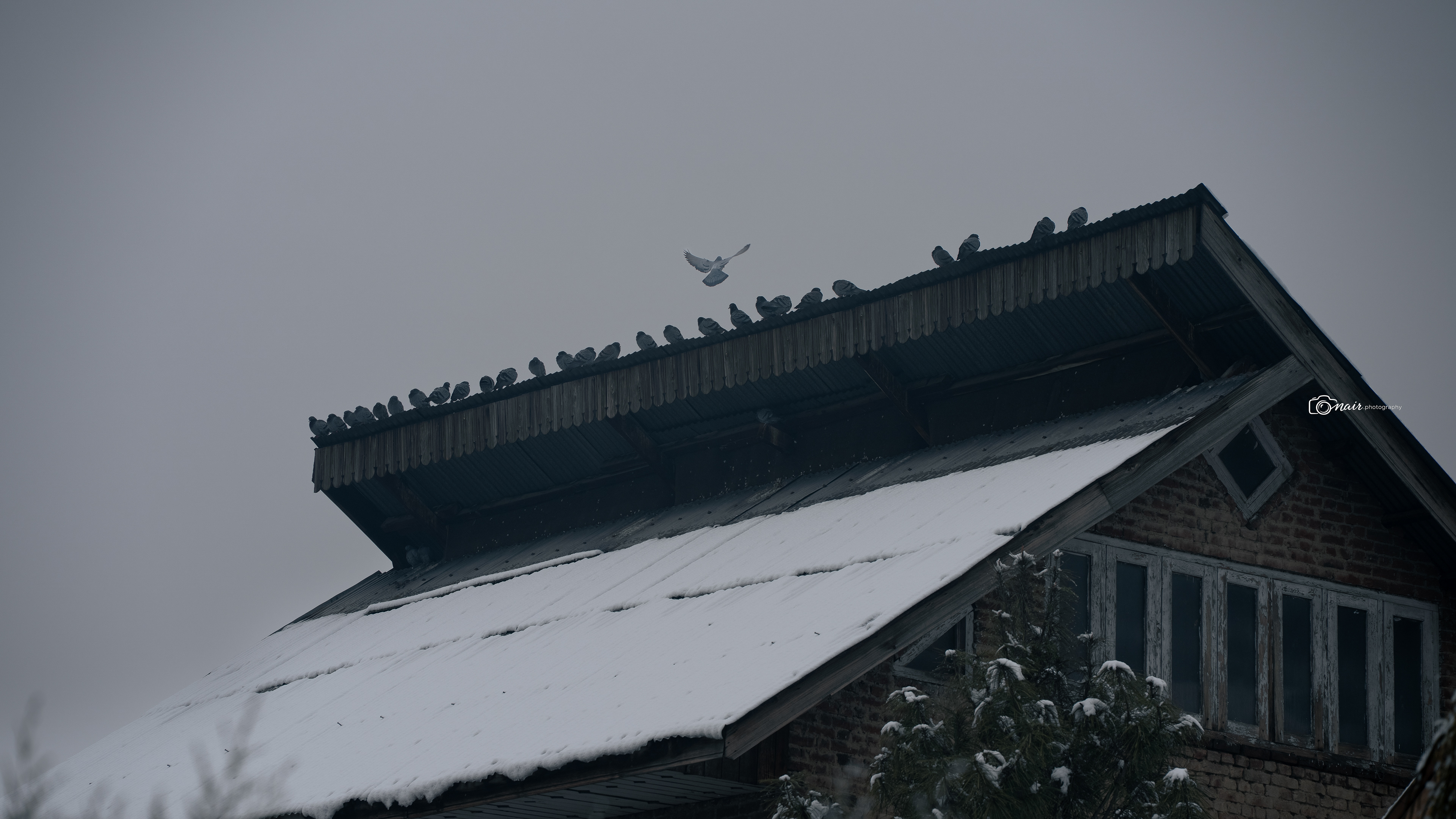
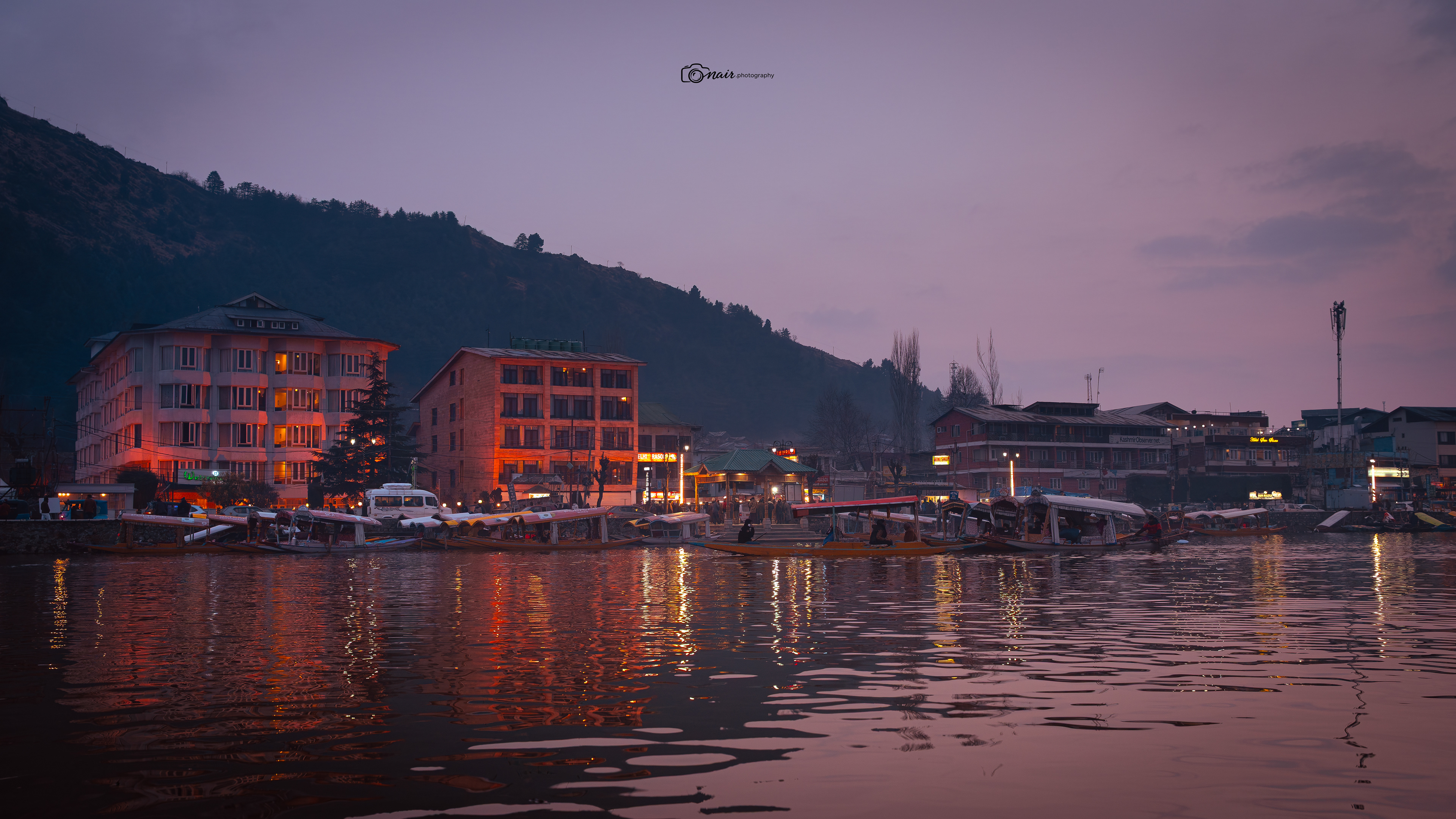
Nestled in the heart of Srinagar, Dal Lake is one of the most iconic landscapes of the Kashmir Valley. The lake is believed to have formed through ancient tectonic activity that shaped the Kashmir basin, leaving behind a network of lakes and wetlands. Framed by the dramatic Zabarwan Range on its eastern side, Dal Lake has been central to Kashmiri life for centuries and later became a favored retreat of the Mughal Empire. With its reflections, houseboats, and traditional shikara boats, the lake remains a defining symbol of Kashmir’s natural beauty and cultural heritage.
Gulmarg is one of the world’s most famous powder skiing destinations, known for its deep, dry Himalayan snow and vast off-piste terrain. The resort sits in the Pir Panjal range of the Himalayas, where heavy winter storms create light powder that often remains untouched for days. Modern skiing in Gulmarg was introduced in the early 20th century by British officers, particularly Sir Henry Tyndale-Biscoe, who helped develop winter sports in the region.
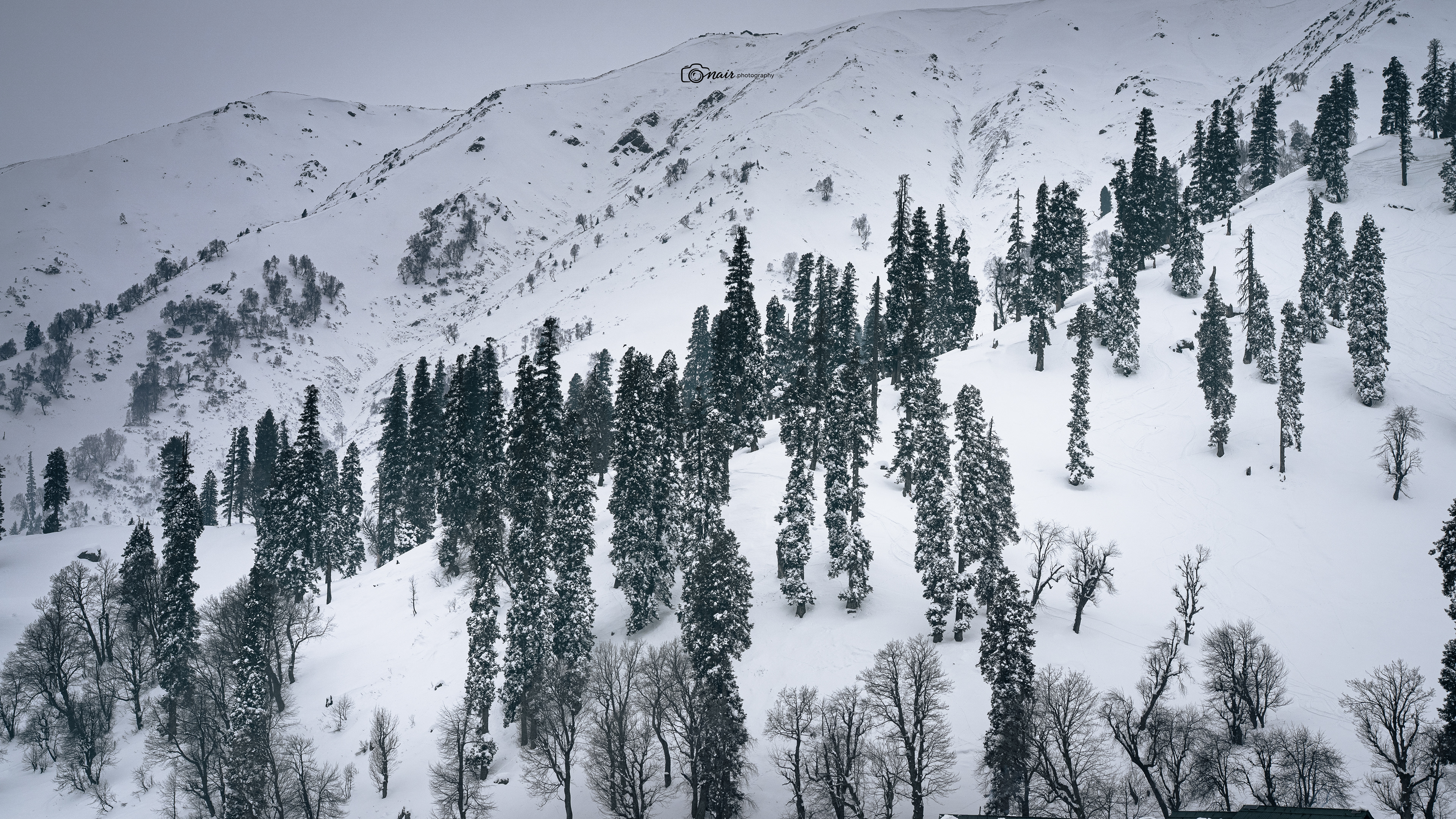
A major highlight is the Gulmarg Gondola, one of the highest cable cars in the world.
Phase 1 runs from Gulmarg (2,650 m) to Kongdori station at about 3,080 m, opening access to wide alpine bowls.
Phase 2 continues to Apharwat Peak at around 3,980 m, where skiers can descend thousands of vertical meters through powder fields.
Phase 1 runs from Gulmarg (2,650 m) to Kongdori station at about 3,080 m, opening access to wide alpine bowls.
Phase 2 continues to Apharwat Peak at around 3,980 m, where skiers can descend thousands of vertical meters through powder fields.
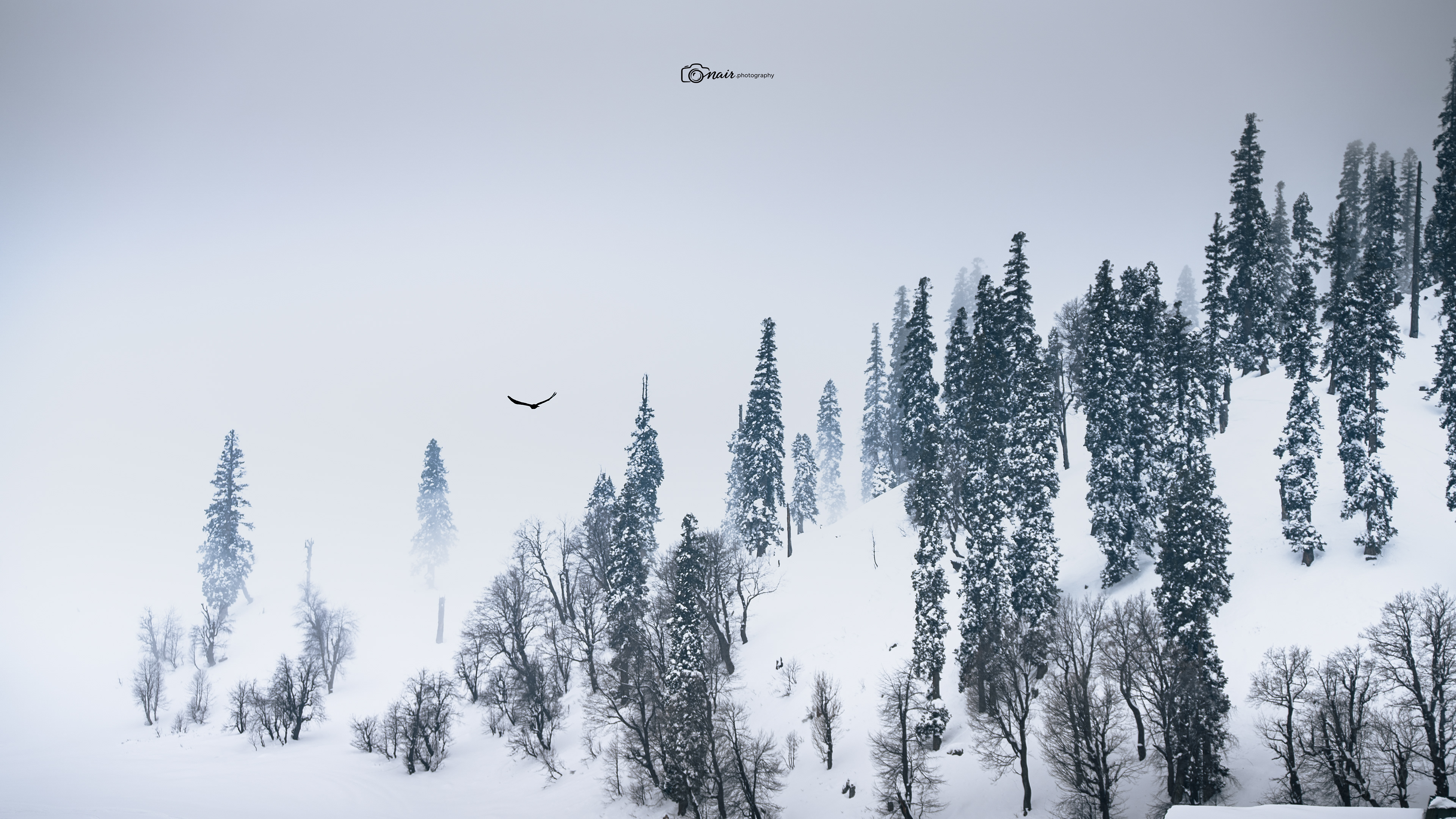
The skiable terrain around Gulmarg spans dozens of square kilometers of backcountry, making it ideal for freeride skiing and snowboarding. Combined with dramatic Himalayan views and consistent powder, Gulmarg has become one of Asia’s most legendary ski locations.
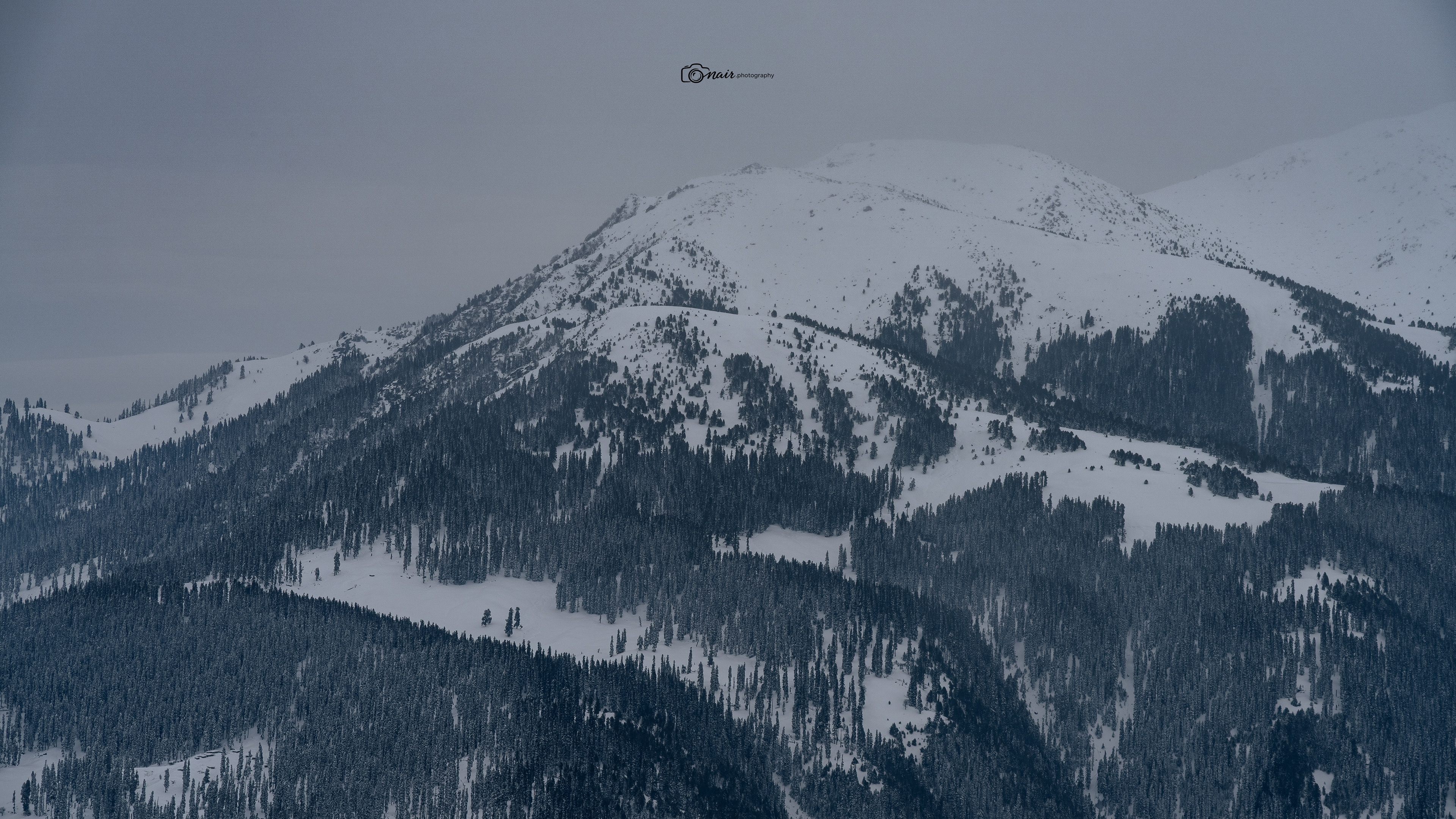
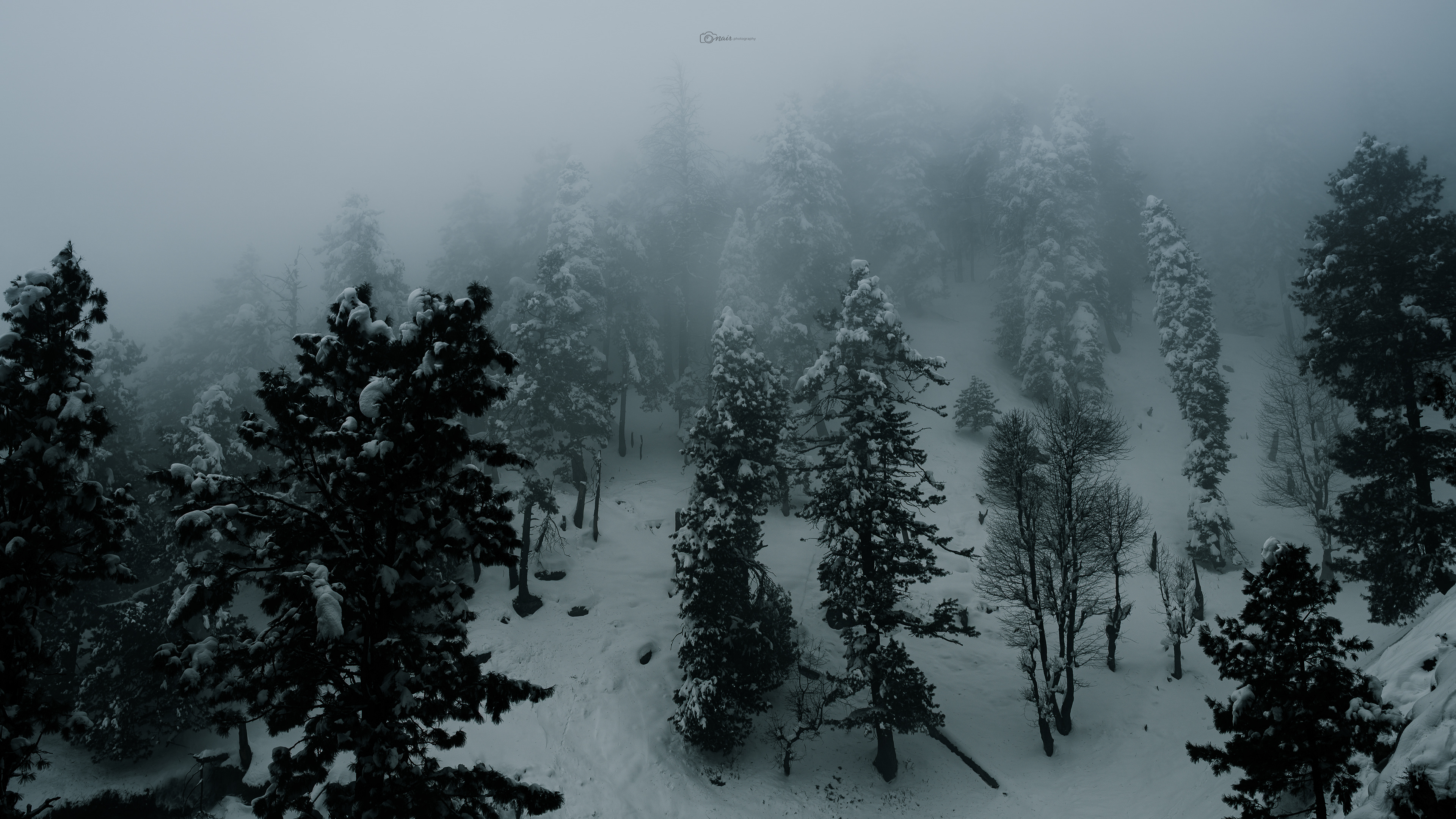
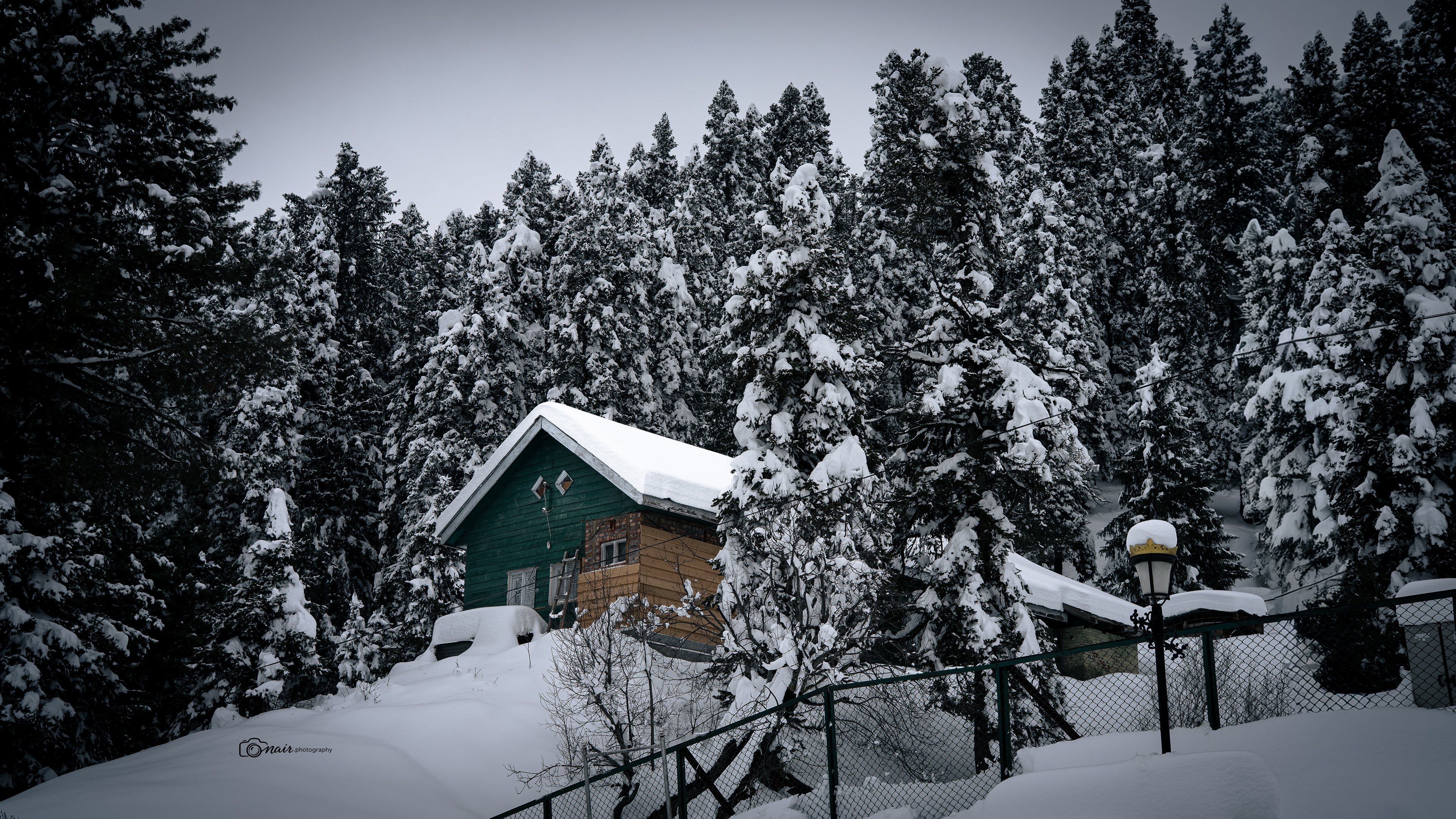
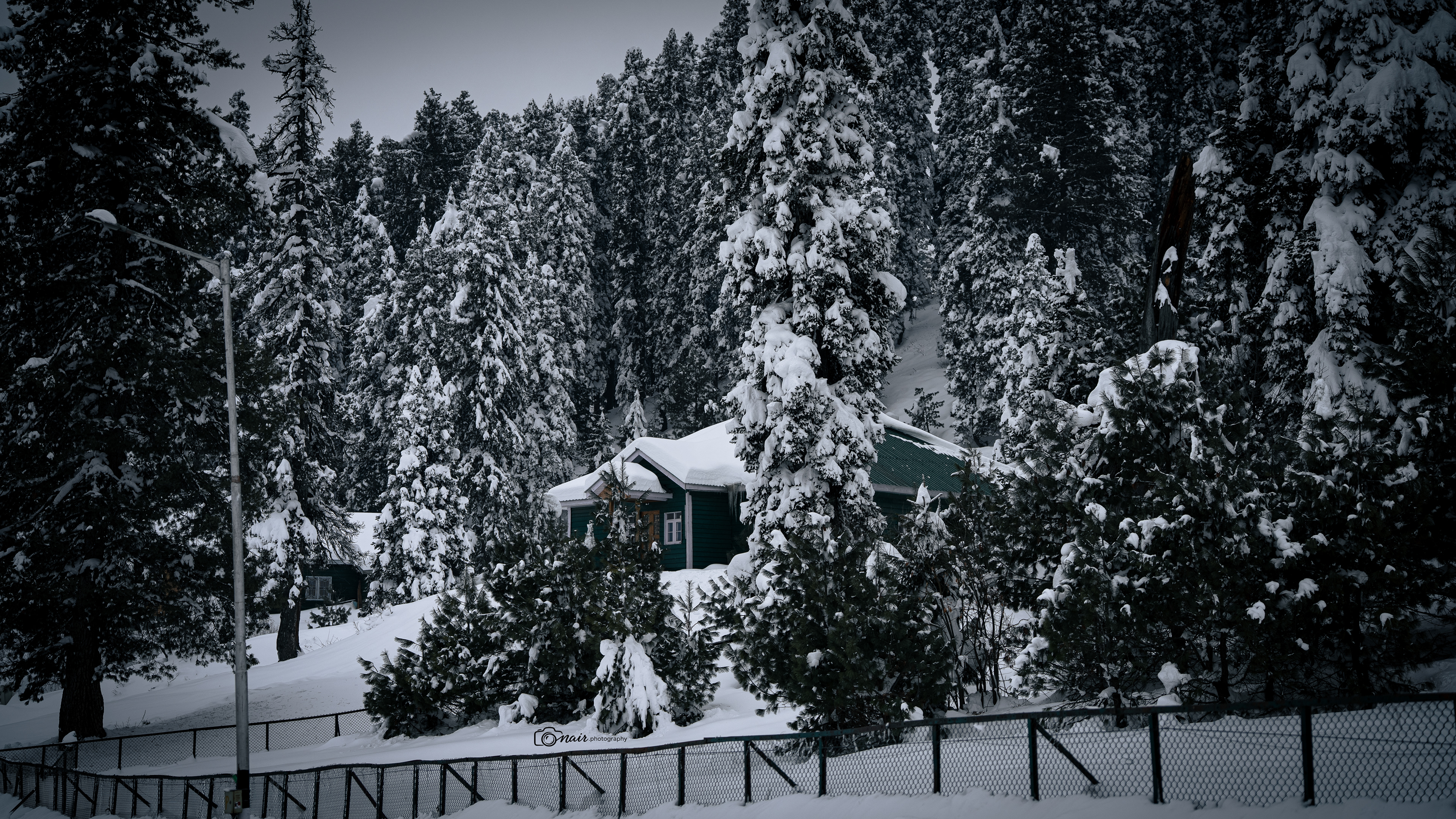
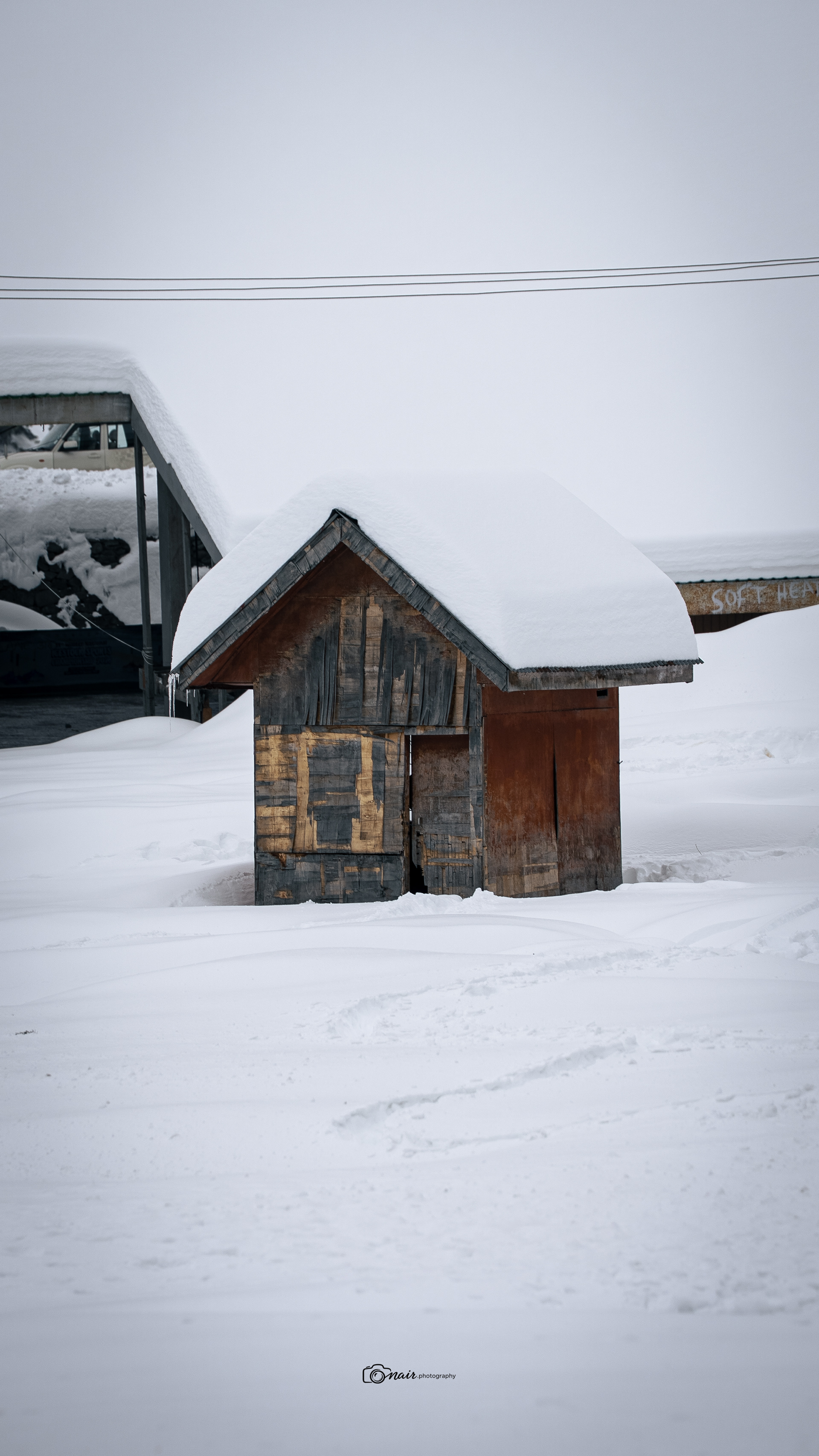
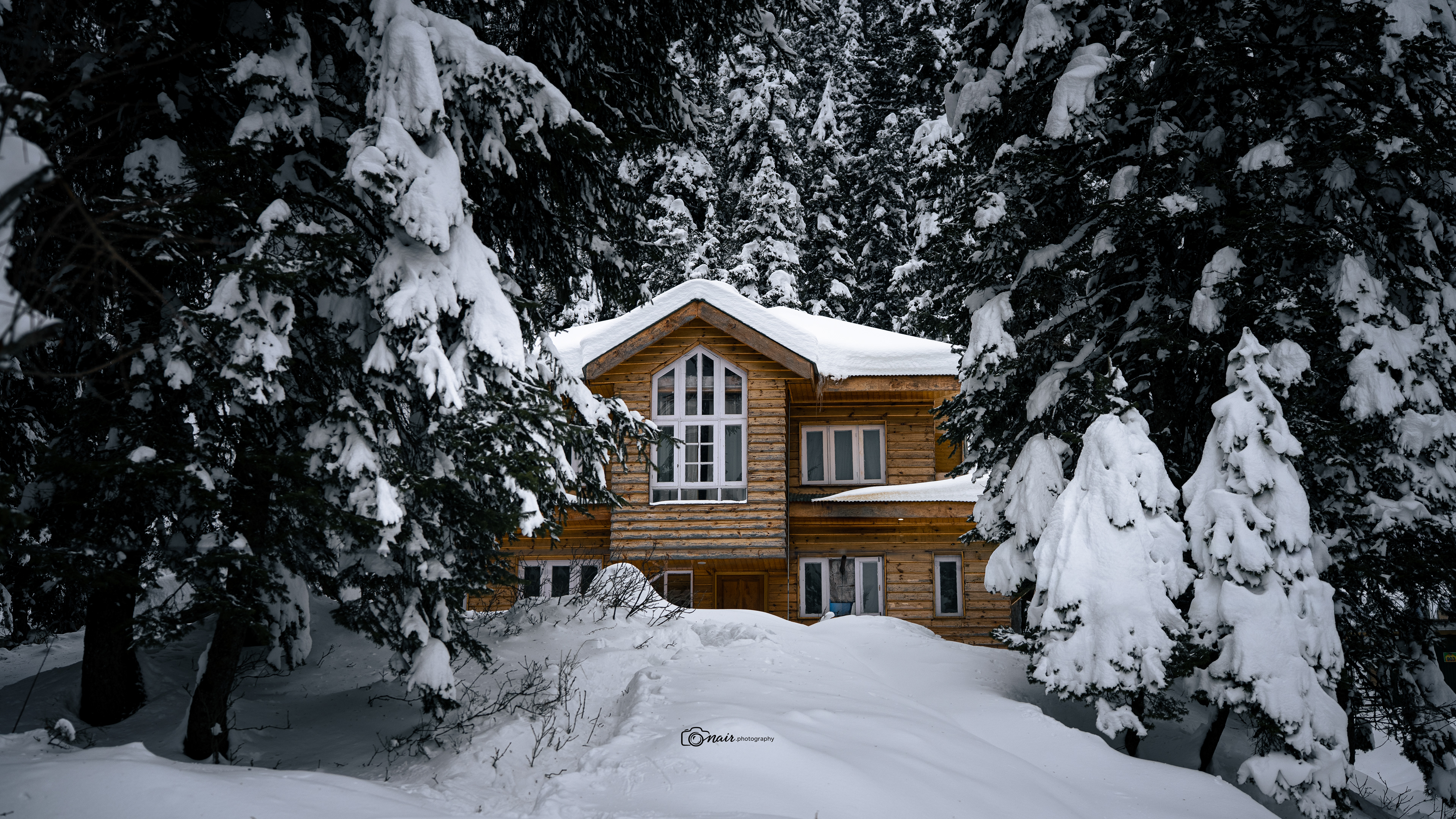
A valley is simply land that lies between mountains, usually formed over thousands of years by rivers or glaciers slowly carving through the terrain. In Pahalgam, the mountains of the Himalayas create these wide green valleys that open into beautiful meadows and river plains.
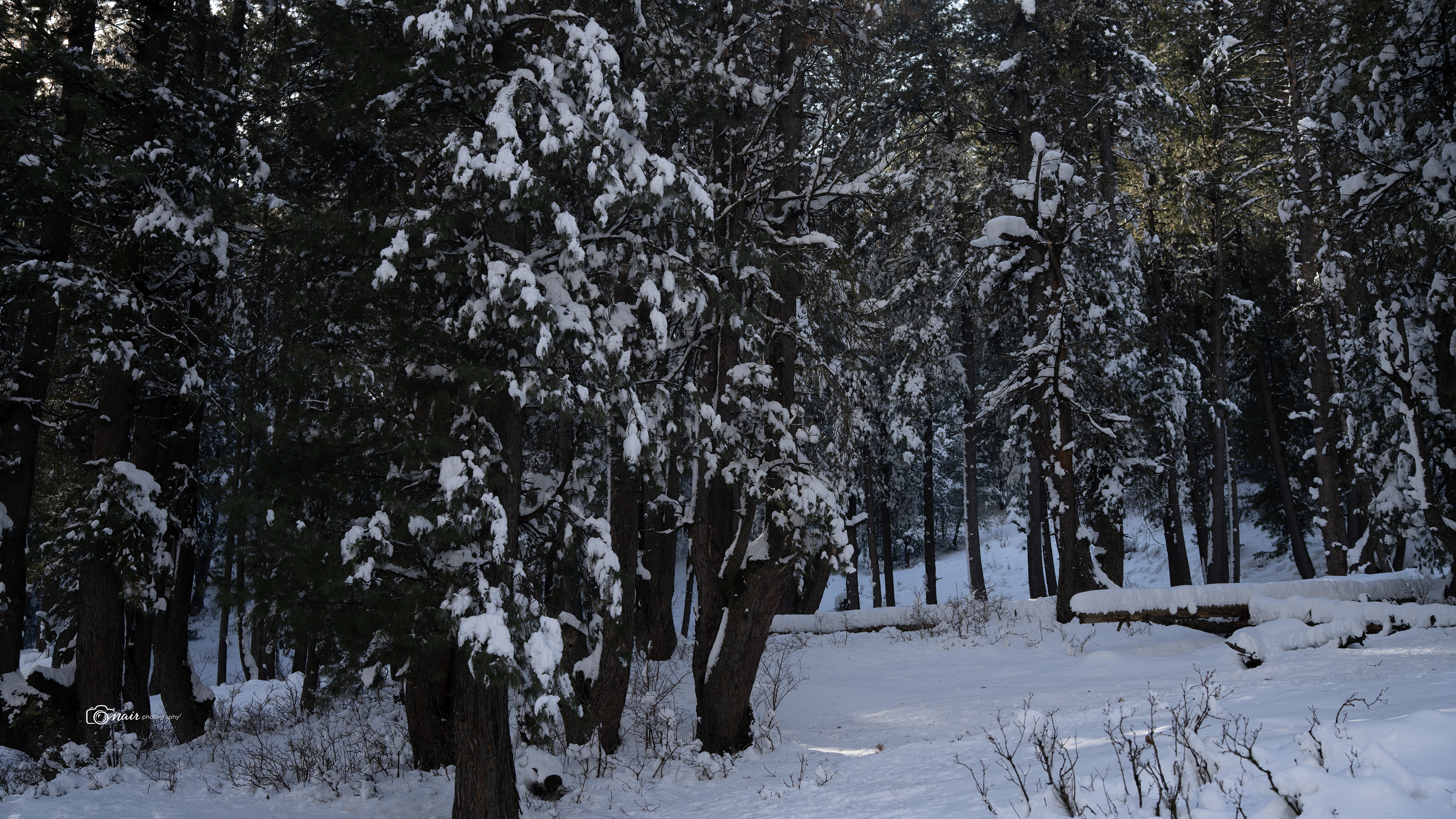
Pahalgam, located in Lidder Valley in Jammu and Kashmir, is a peaceful mountain town surrounded by forests, rivers, and wide alpine landscapes. The town sits along the Lidder River and is often considered one of the most scenic places in Kashmir.
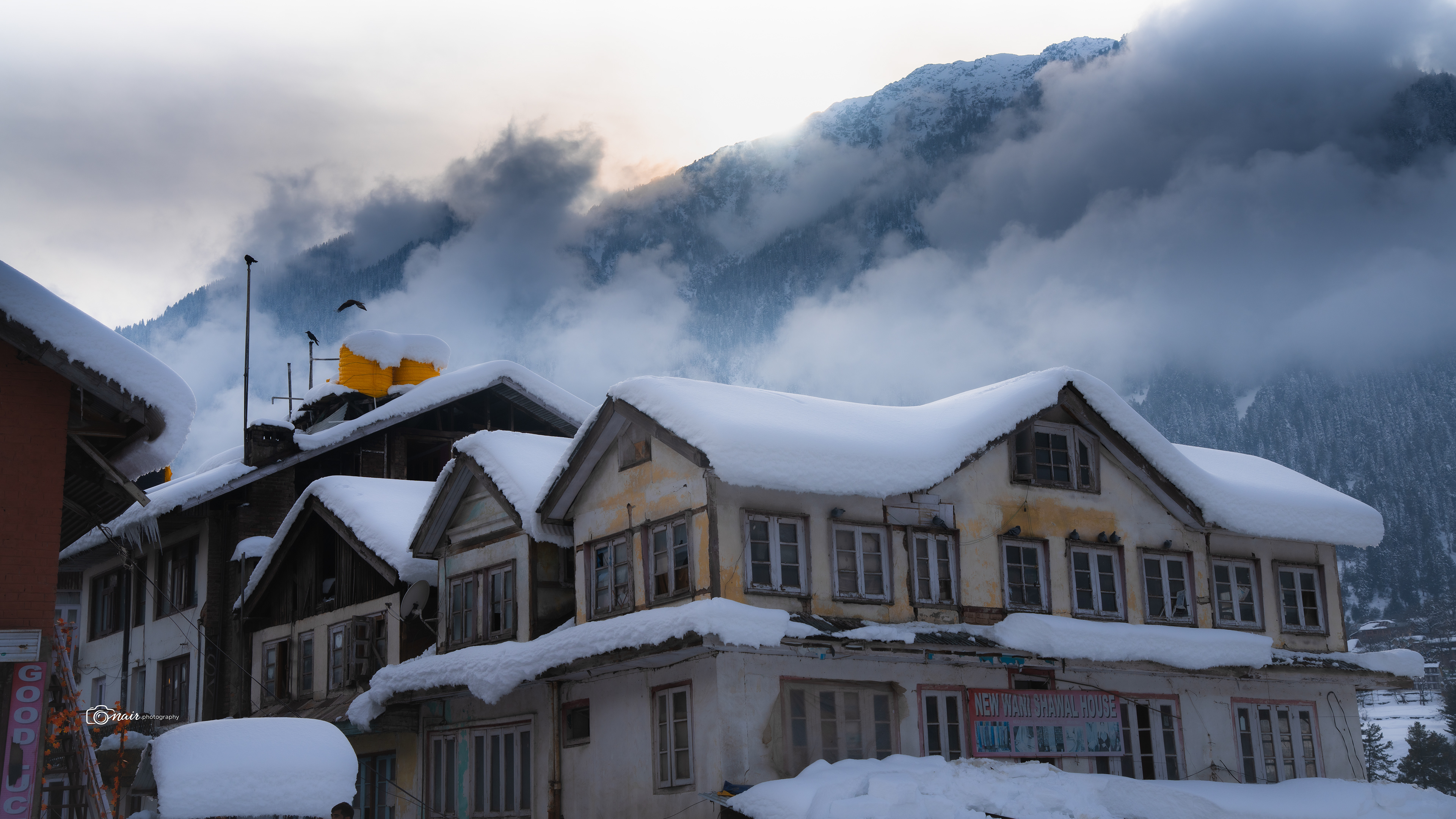
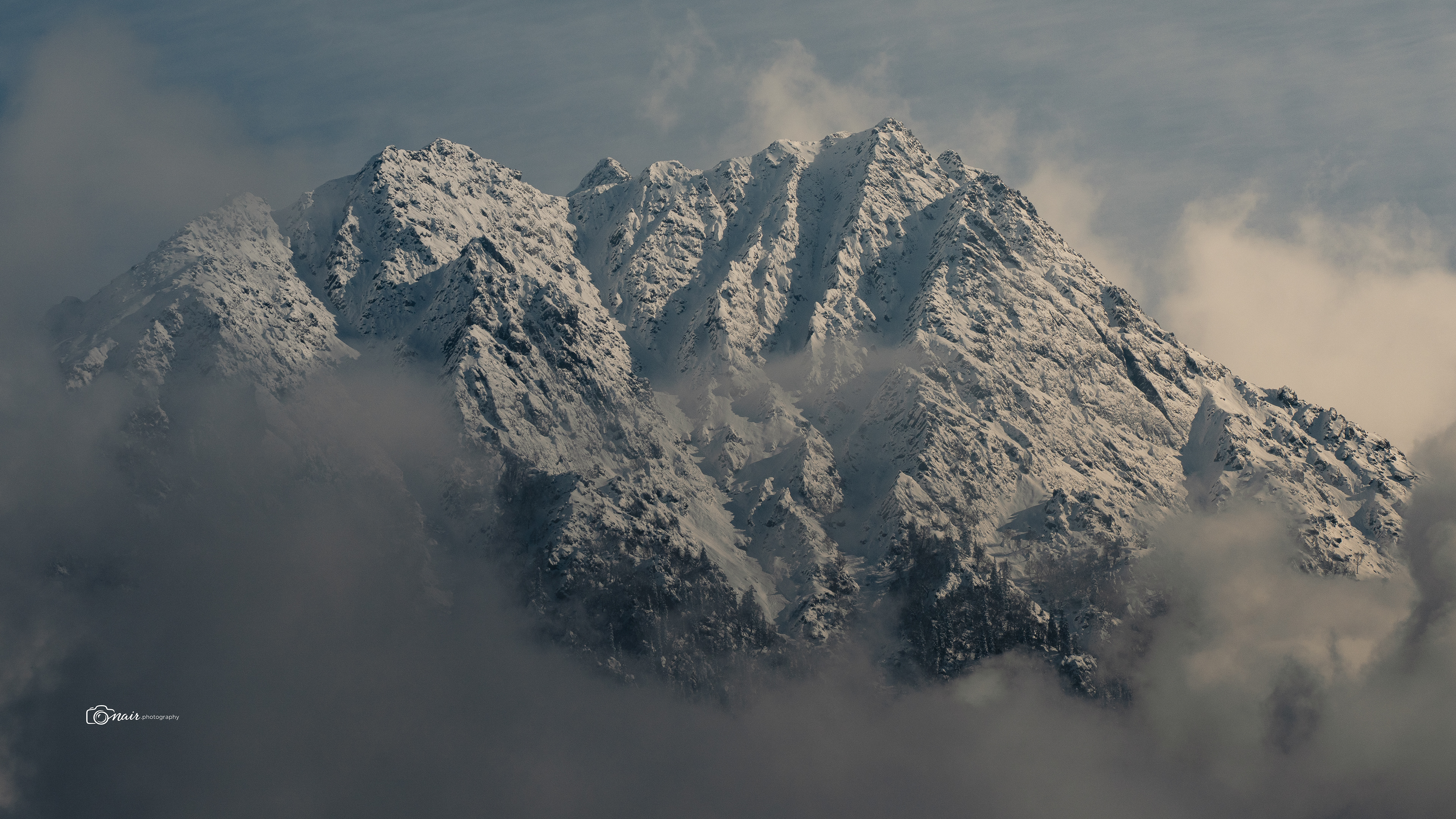
Katsal Peak stands as a grand watchman over Pahalgam, reaching an elevation of nearly 4,879 metres. To reach its summit, you must journey through the Tuliyan Valley, eventually standing where the jagged silhouettes of Mount Haramukh and Mt. Kolahoi pierce the horizon above shimmering alpine lakes.
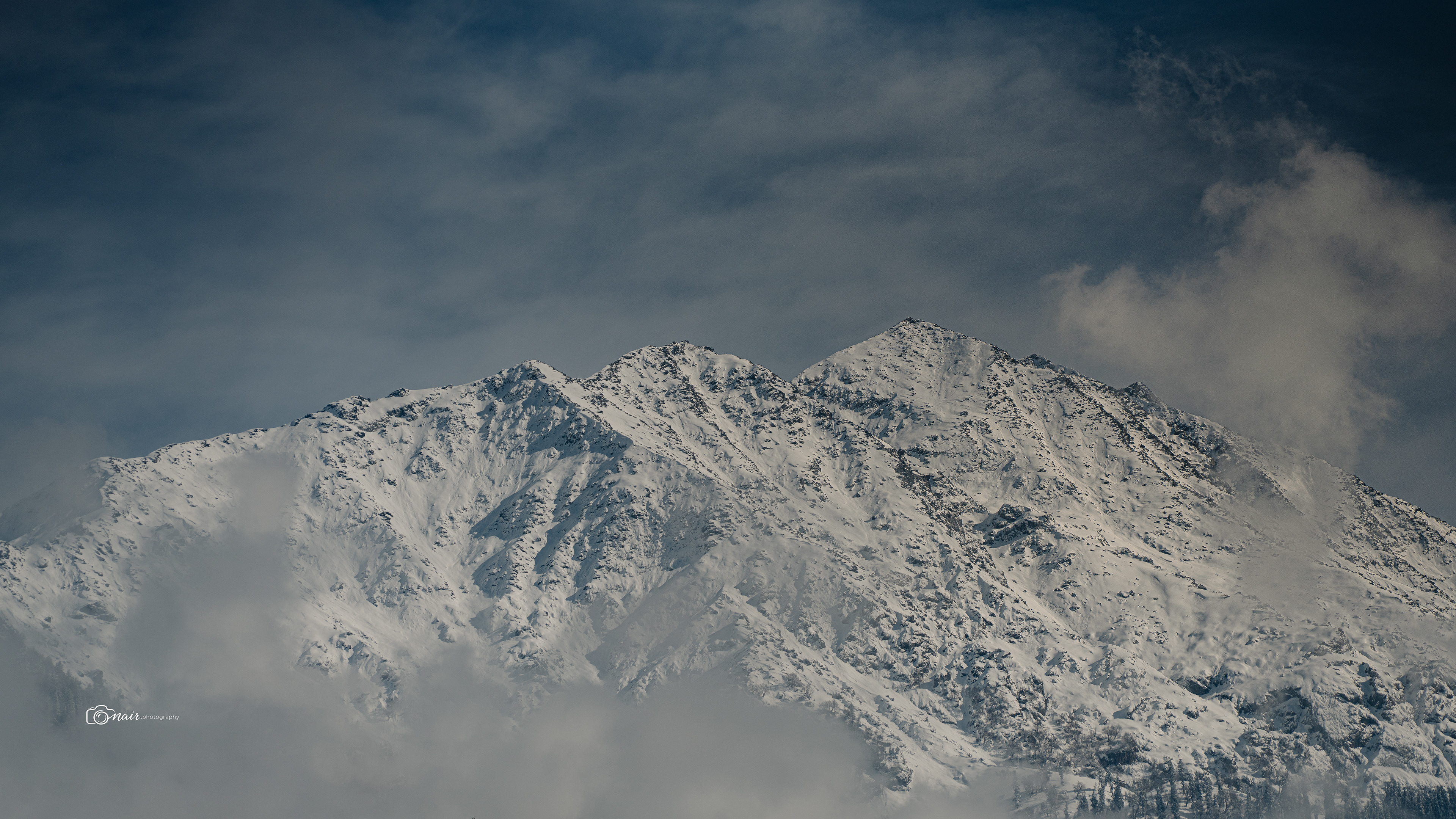
The mysterious Sirbal Peak rises near Sonamarg like a massive pyramid of rock and ice, dominating the skyline toward the Zojila Pass. Reaching a staggering 5,235 metres, this peak remains one of the region's great unclimbed sentinels, its ancient glaciers feeding the rushing Sindh River and serving as a reminder of the raw power hidden in the Great Himalaya Range.